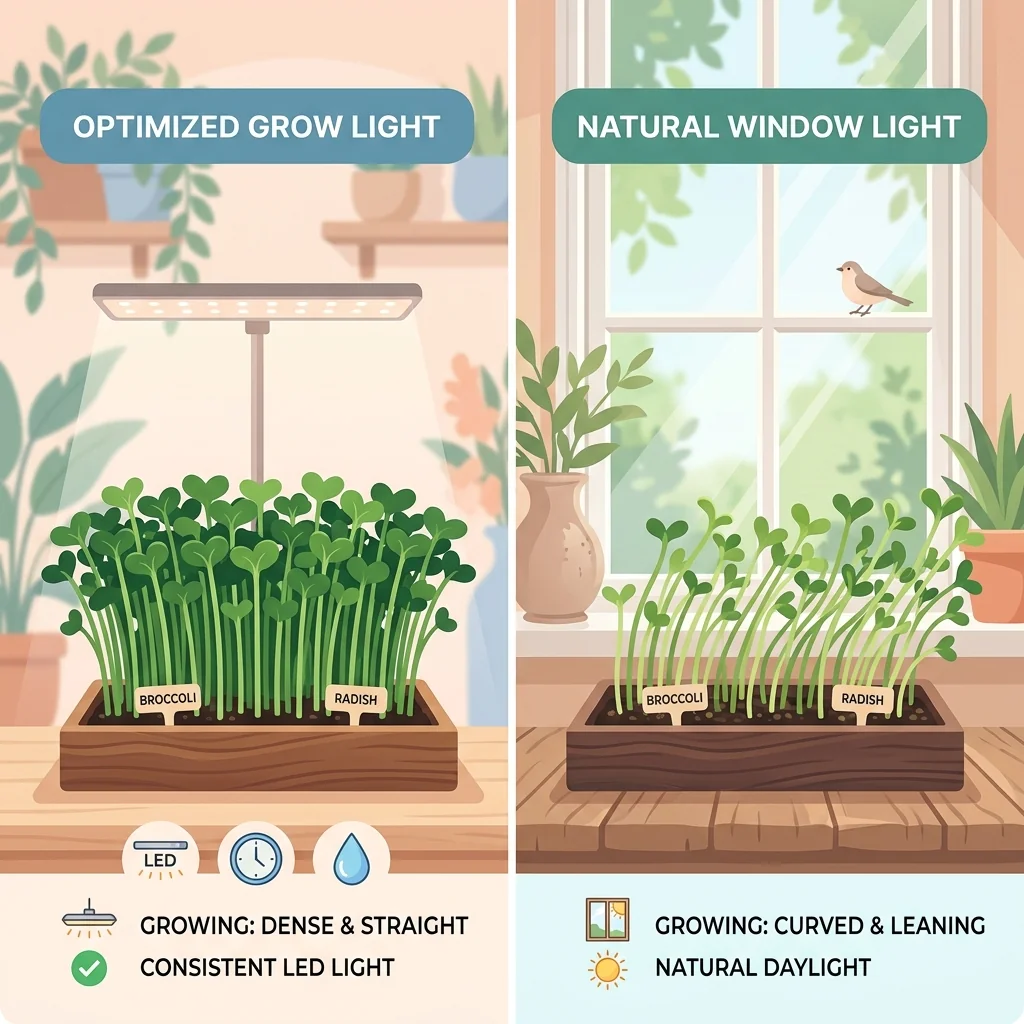
Microgreens light requirements and a simple setup
Microgreens are kept dark to germinate, then need good light to stay short and green. Here is how much light they need and the simplest windowsill or LED setup.
Find clear, practical guidance for herbs, vegetables, hydroponics, grow lights, and container growing that matches real homes, real light, and realistic maintenance.
If you already know where you're stuck, jump straight to that topic instead of digging through generic advice.
Balcony, patio, and windowsill growing systems designed for city life.
Simple hydro systems, nutrient basics, and troubleshooting for indoor growers.
Light duration, distance, intensity, and fixture selection for indoor crops.
Choosing the right pot size, drainage strategy, and planter style for edible crops.
Potting mixes, compost, feeding schedules, and nutrient management for containers.
Diagnosis-first help for yellow leaves, pests, stretch, rot, and stalled growth.
Fast, forgiving indoor microgreens: what to grow, how to sow, and how to avoid mold.
Begin with space, light, container size, and crop choice before spending on extra gear or complicated routines.
Microgreens are kept dark to germinate, then need good light to stay short and green. Here is how much light they need and the simplest windowsill or LED setup.
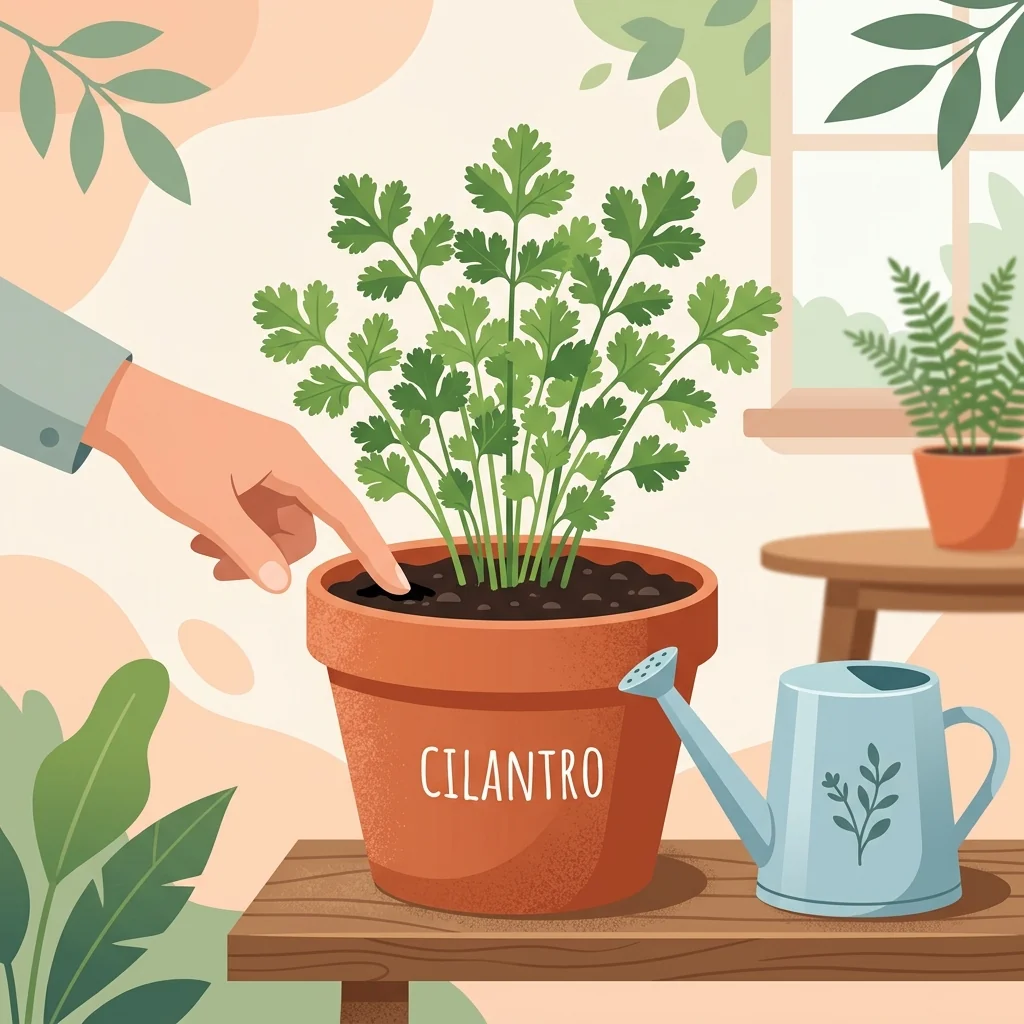
Cilantro wants even moisture and cool conditions, and it bolts when stressed. Water when the top inch dries, and use a deep pot to keep the rhythm steady.
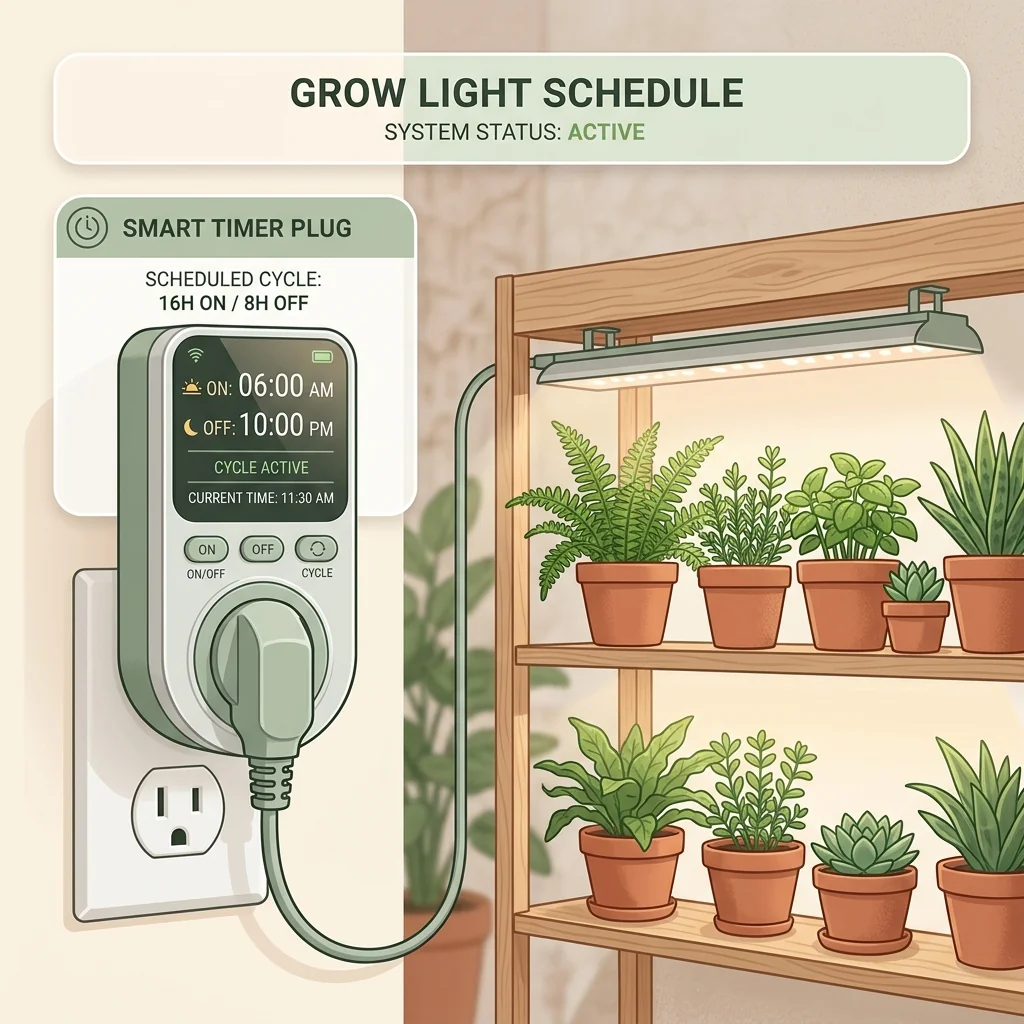
Consistency is everything in indoor horticulture. If you forget to turn your grow lights on, your plants will starve. If you leave them on too long, your greens will stress and bolt. Automating your photoperiod with a reliable outlet timer is the single easiest upgrade you can make. Here are our top picks.
These are strong starting points if you want practical guidance before getting into narrower questions.
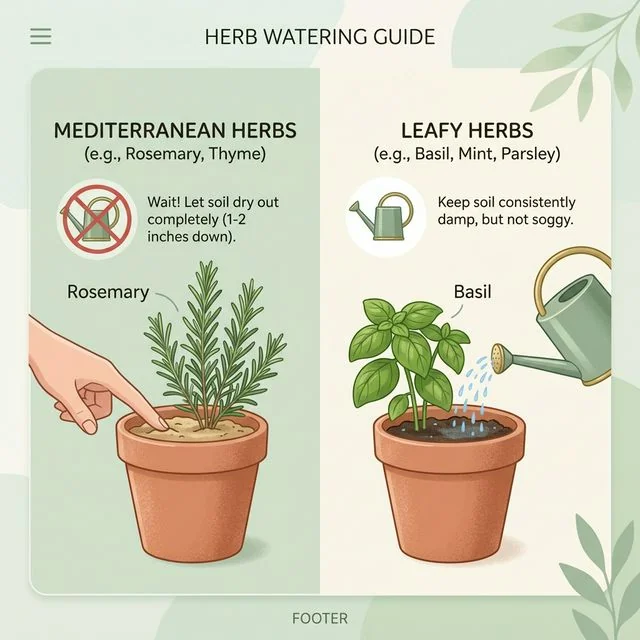
Most potted herbs should be checked often but watered only when the root zone is actually drying. This guide explains how to judge the pot instead of following a rigid calendar.
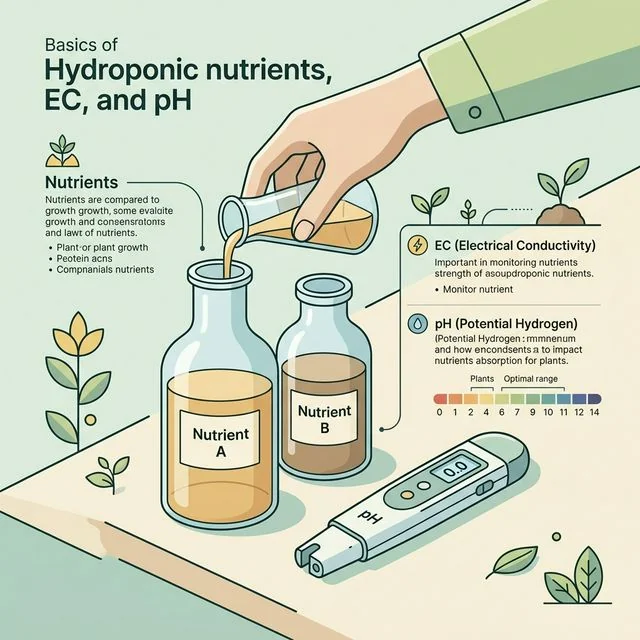
Most hydroponic problems are not mysterious. They come from concentration drift, pH drift, heat, or neglected maintenance. This guide covers the basics clearly.
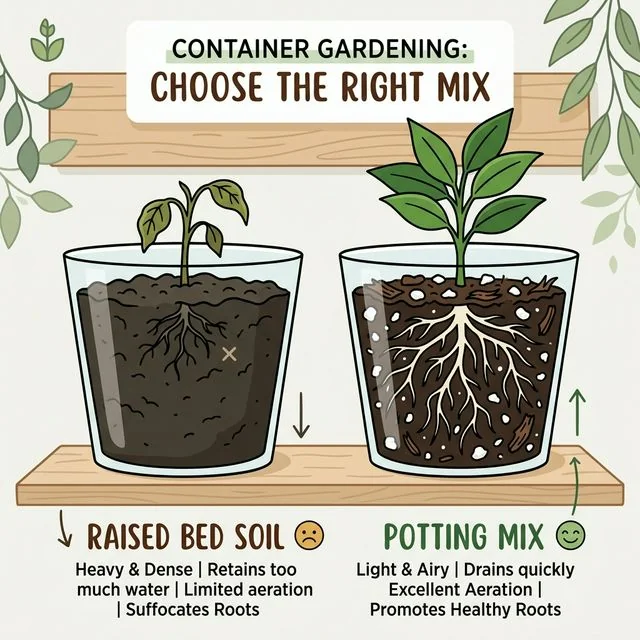
Most container problems start with the wrong medium, not the wrong fertilizer. This guide explains why pots usually need a lighter mix than raised beds.
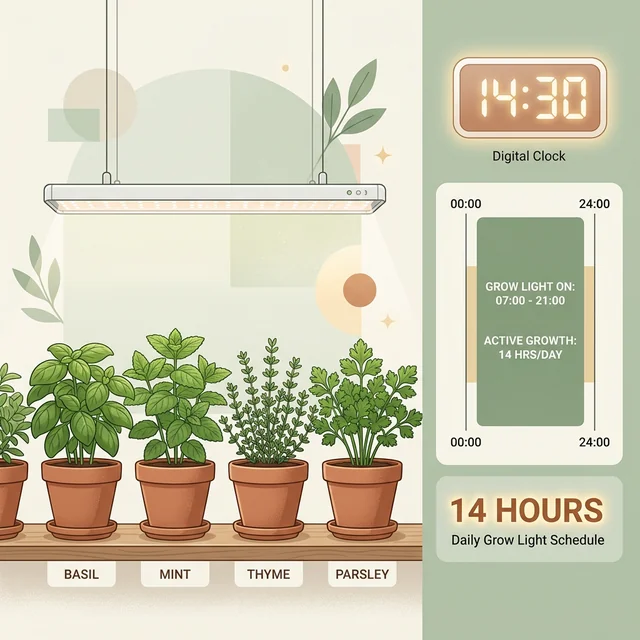
Most herb grow lights should run about 12 to 16 hours per day, but intensity, distance, and a stable dark period matter as much as the timer itself.
New articles on setup, plant problems, and the small decisions that shape better harvests.
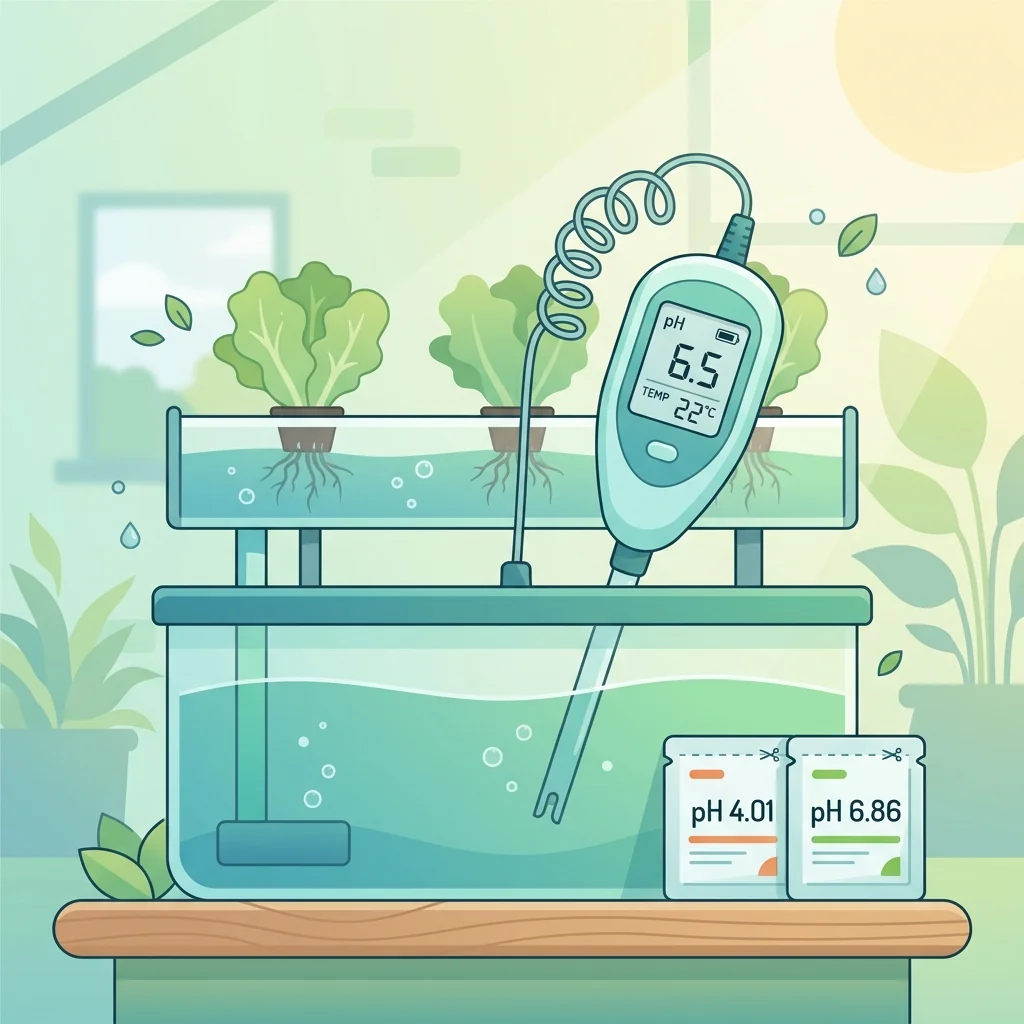
A reliable digital pH pen is the one measuring tool a hydroponic grower uses daily. Here is what matters when choosing one, and why strips and soil probes fall short.
Microgreens are kept dark to germinate, then need good light to stay short and green. Here is how much light they need and the simplest windowsill or LED setup.
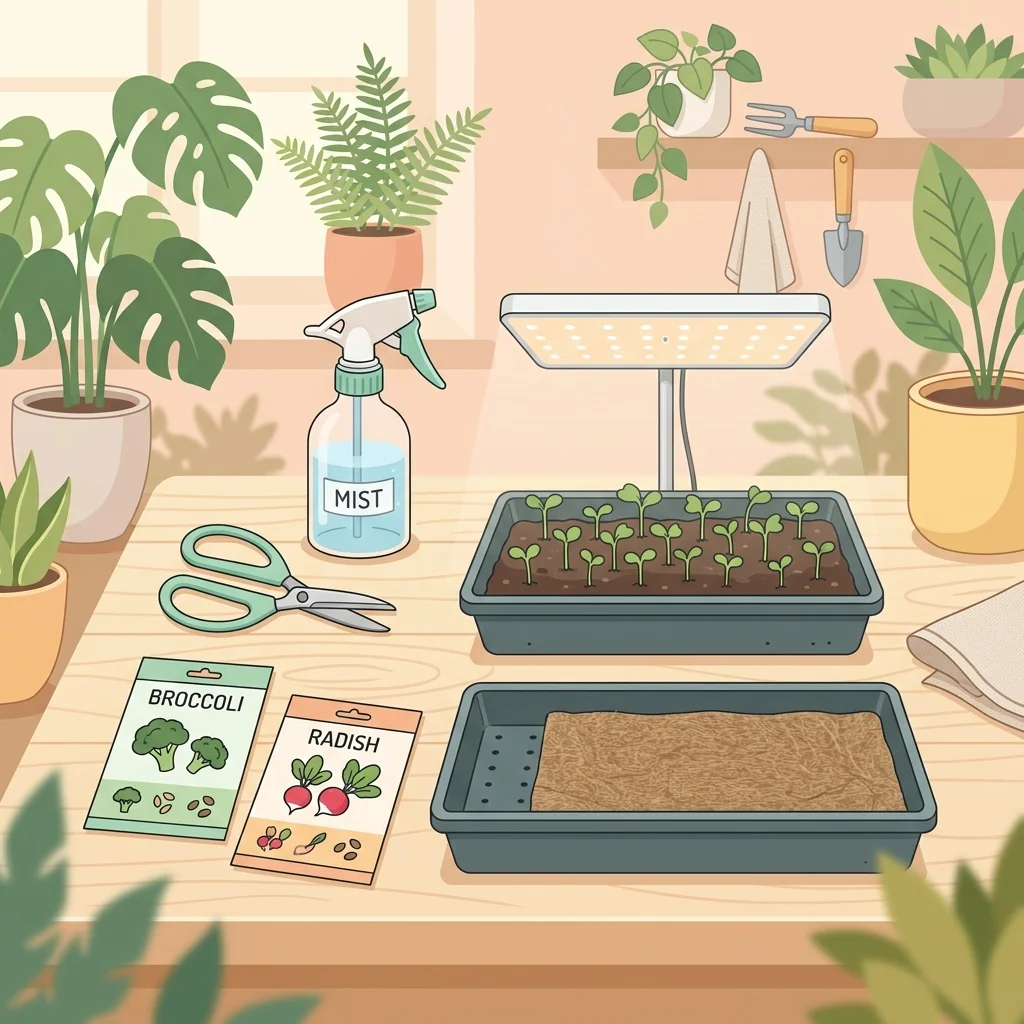
The microgreens supply list is short: tray, medium, seeds, spray bottle, light, scissors. Here is exactly what to get for your first setup and what not to waste money on.
Cilantro wants even moisture and cool conditions, and it bolts when stressed. Water when the top inch dries, and use a deep pot to keep the rhythm steady.
Each hub acts as the main landing page for a topic, with curated entry points and tighter internal pathways into the most useful guides.
The goal is simple: make growing easier to understand, easier to troubleshoot, and easier to keep up with during normal life.
Recommendations stay focused on setups that are repeatable, useful, and realistic at home.
Each guide explains what matters, what is optional, and where the real tradeoffs are.
Technical ideas are broken into simple decisions for balconies, windowsills, and indoor shelves.