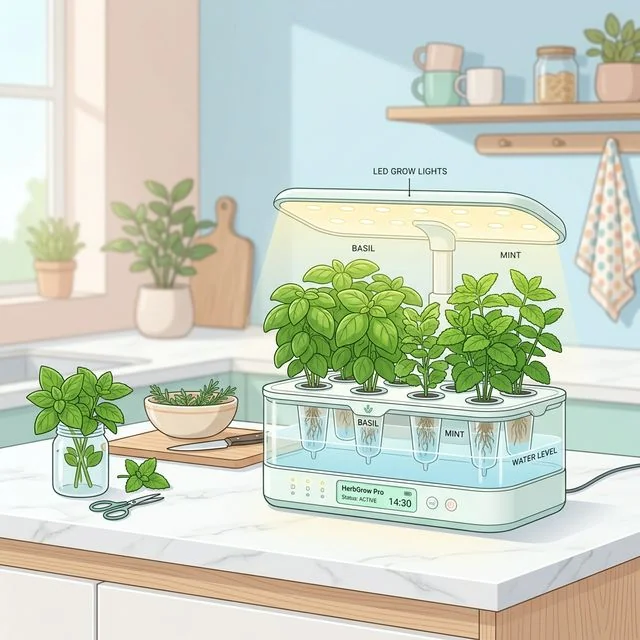
Countertop hydroponic herbs for beginners: what to buy and what to ignore
Countertop hydroponic systems can work very well for herbs, but only if you treat them as small growing systems rather than decorative appliances.
A science-based hydroponics hub for herbs and leafy greens, covering beginner systems, nutrient basics, troubleshooting, and steady indoor growth.
Countertop hydroponic systems can work very well for herbs, but only if you treat them as small growing systems rather than decorative appliances.
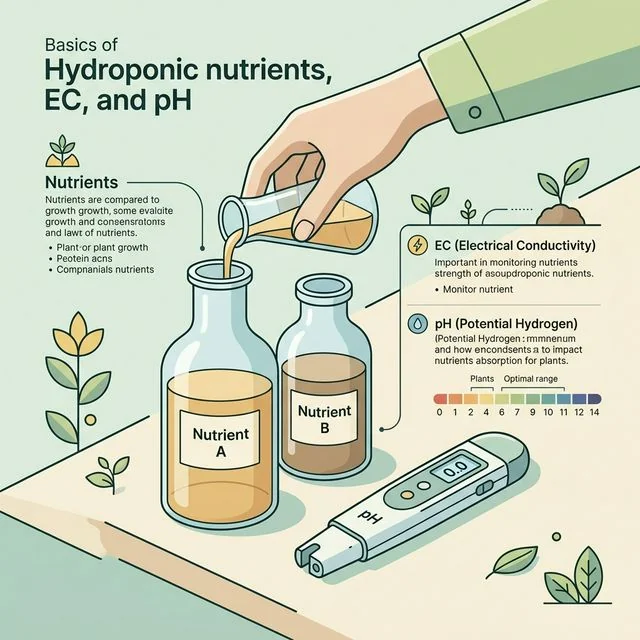
Most hydroponic problems are not mysterious. They come from concentration drift, pH drift, heat, or neglected maintenance. This guide covers the basics clearly.
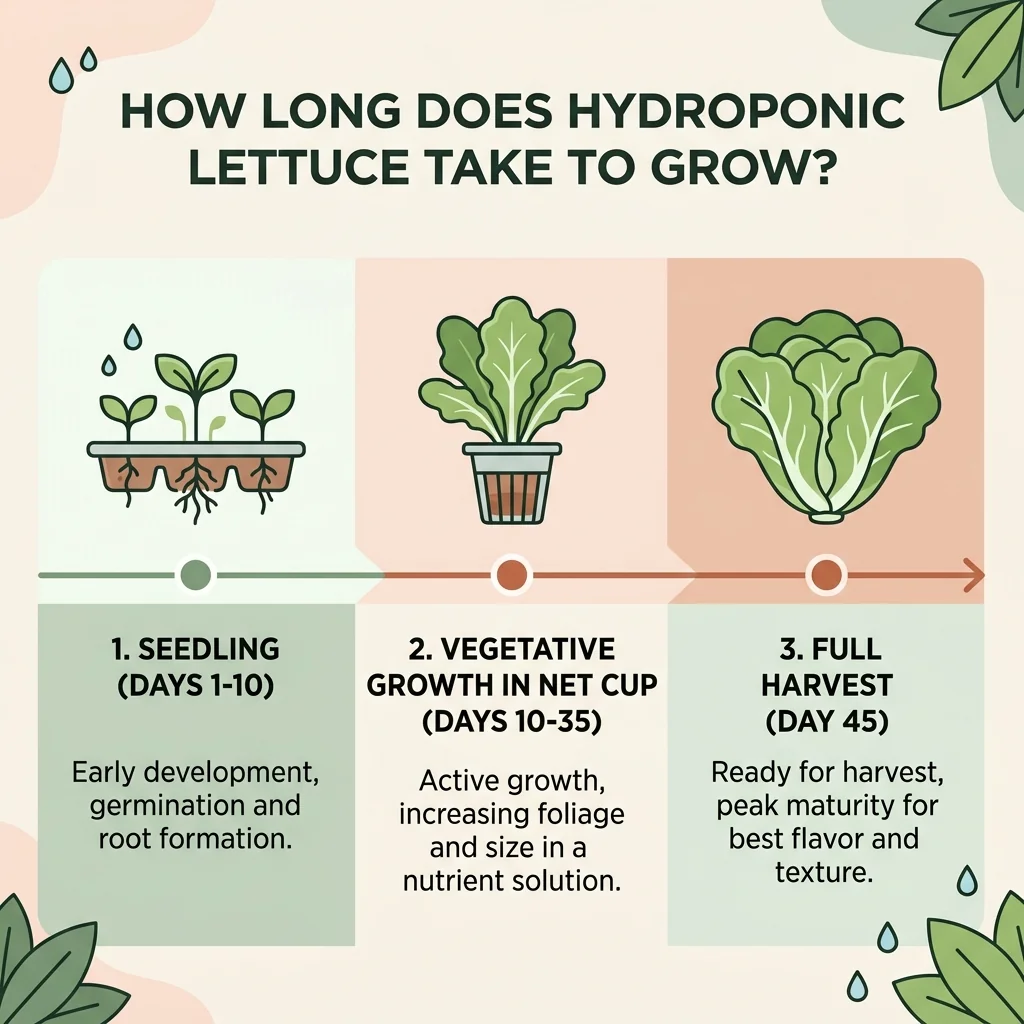
Hydroponics accelerates the natural growth cycle of plants, but how fast is it really? Here is the complete day-by-day timeline of a hydroponic lettuce crop, including the critical milestones you need to watch for.
Hydroponics is often presented as either a futuristic shortcut or a high-maintenance hobby. In reality, it is neither. For small-space growers, it is a practical way to grow herbs and leafy greens when outdoor conditions are unreliable, space is limited, or year-round consistency matters more than large crop diversity.
Hydroponics works well indoors because it compresses several variables into a controllable system. Water, nutrients, and root access can be kept stable without needing a garden bed or outdoor soil. That makes it especially useful for apartments, kitchens, utility shelves, and compact grow racks.
The tradeoff is that stability matters more. Small reservoirs drift faster than outdoor beds. Lighting becomes non-negotiable. Maintenance intervals matter because the system has less buffering capacity than a large soil container.
Beginners often assume more plants means better value. Hydroponics usually rewards the opposite approach. A smaller herb-focused system is easier to light, easier to clean, and easier to read. Problems are easier to diagnose because there are fewer moving parts.
That is why this hub starts with simple countertop or shelf-based systems, then moves toward nutrients, troubleshooting, and more specific hardware decisions. The idea is to build competence in sequence.
Four things drive most results:
When one of these drifts, growers often blame the nutrient brand or look for a miracle additive. That is usually the wrong move. Hydroponics responds best to measured corrections, not panic corrections.
If you are new to hydroponics, start with the beginner guides and then move immediately into nutrient basics. If you already have a system running but growth is disappointing, go to the troubleshooting section before buying more gear. If you are planning an indoor rack or expanding beyond a countertop kit, use the setup and advanced sections to align lighting and system scale.
Done well, hydroponics becomes calm and repeatable. The point of this hub is to make that path obvious.
These grouped sections keep the hub useful for beginners, active growers, and readers solving a specific problem.
Start with manageable herb and leafy-green systems before trying to optimize every variable.
Countertop hydroponic systems can work very well for herbs, but only if you treat them as small growing systems rather than decorative appliances.
Most hydroponic problems are not mysterious. They come from concentration drift, pH drift, heat, or neglected maintenance. This guide covers the basics clearly.
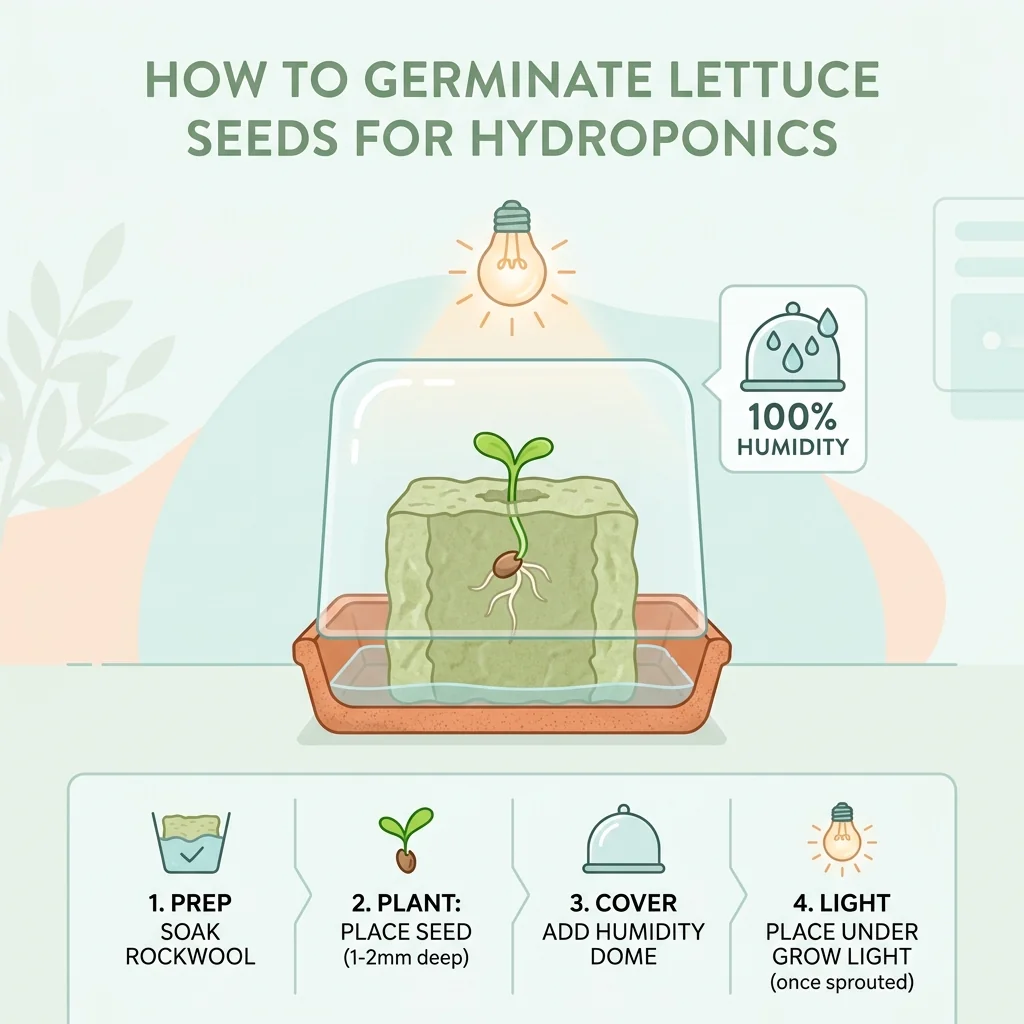
You cannot start hydroponic seeds in potting soil. The dirt will wash off into your reservoir, clogging your pump and causing a massive bacterial bloom. Here is the sterile, foolproof method to start seeds for water-based growing.
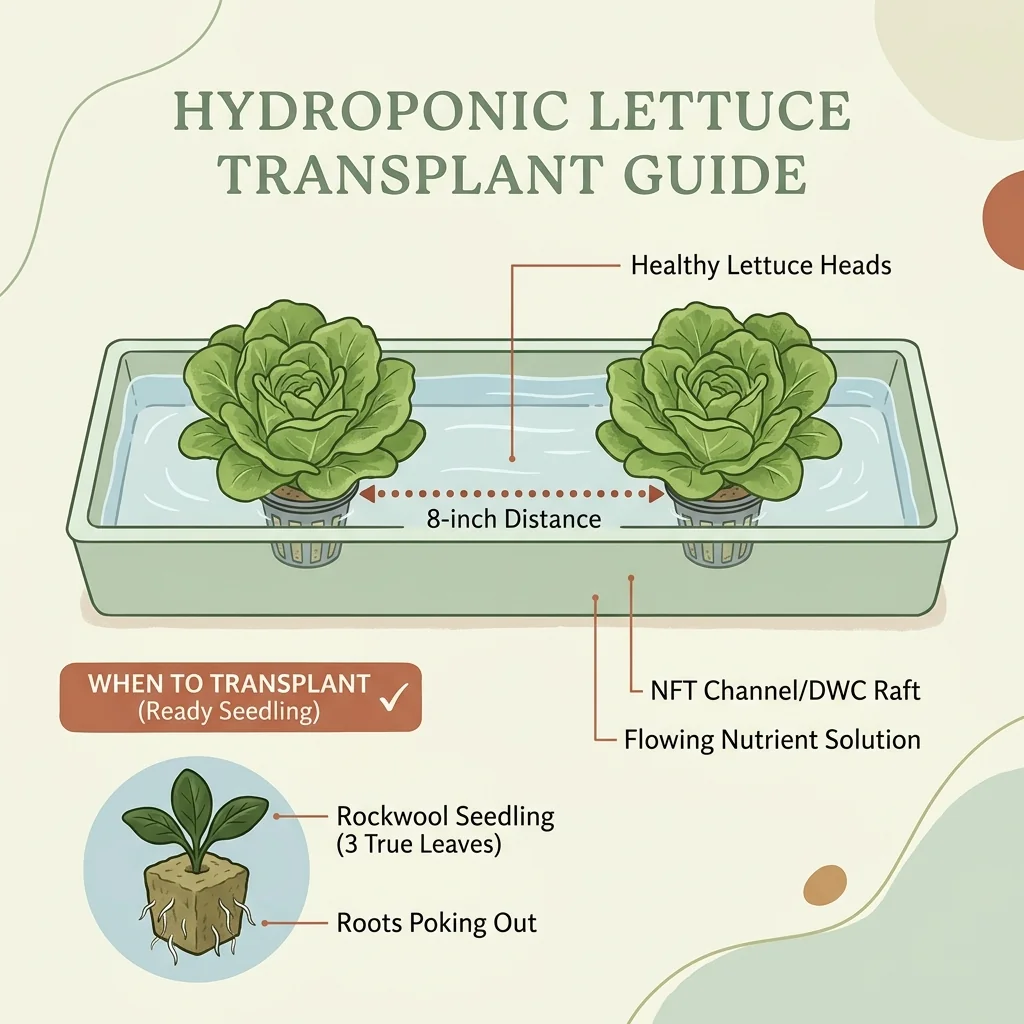
Moving your fragile seedling from the nursery tray to the main hydroponic system is a high-risk maneuver. If you move it a day too early, it will drown. If you plant the heads too close together, they will choke each other out. Here are the exact metrics for a perfect transplant.
Hydroponics accelerates the natural growth cycle of plants, but how fast is it really? Here is the complete day-by-day timeline of a hydroponic lettuce crop, including the critical milestones you need to watch for.
Choose a system and learn to mix and target the nutrient solution for any crop.
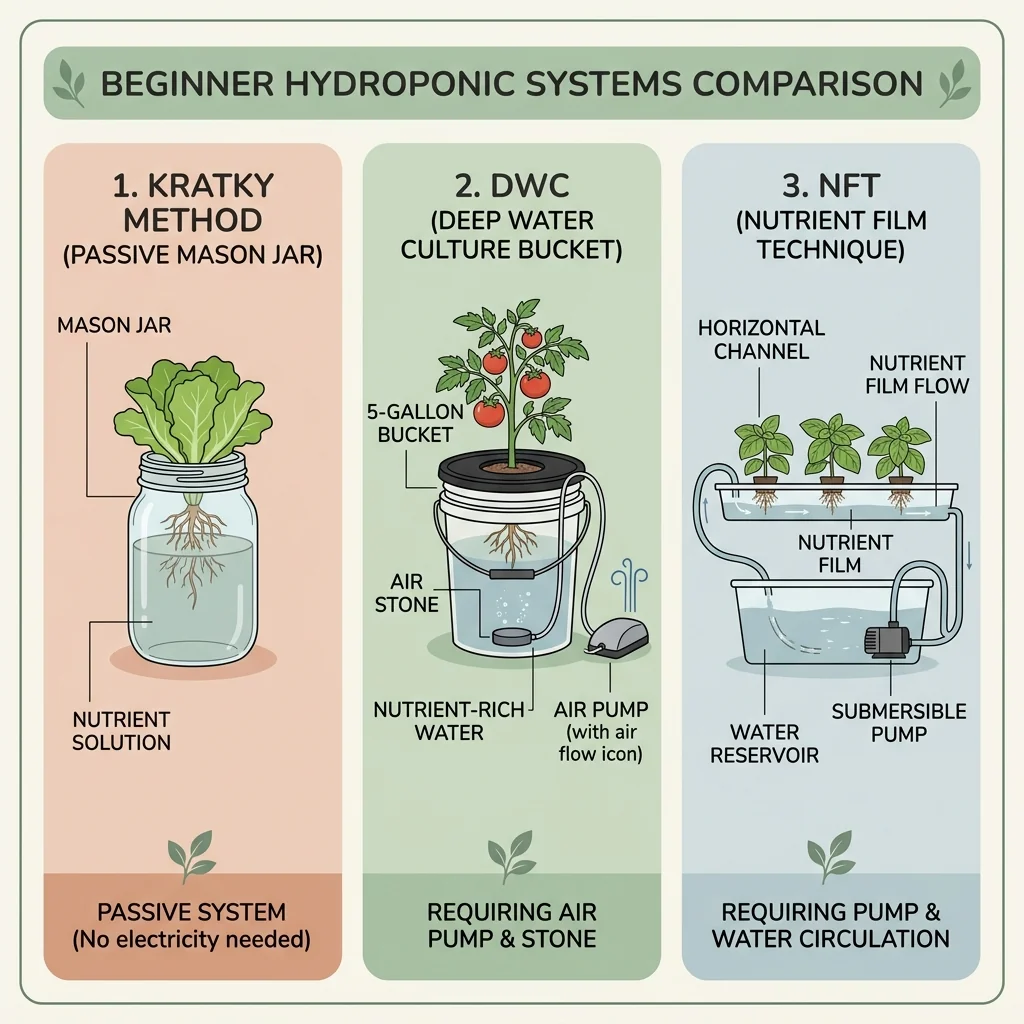
Three systems dominate small-space hydroponics: Kratky, DWC, and NFT. This comparison shows how they differ and which one a beginner should actually start with.
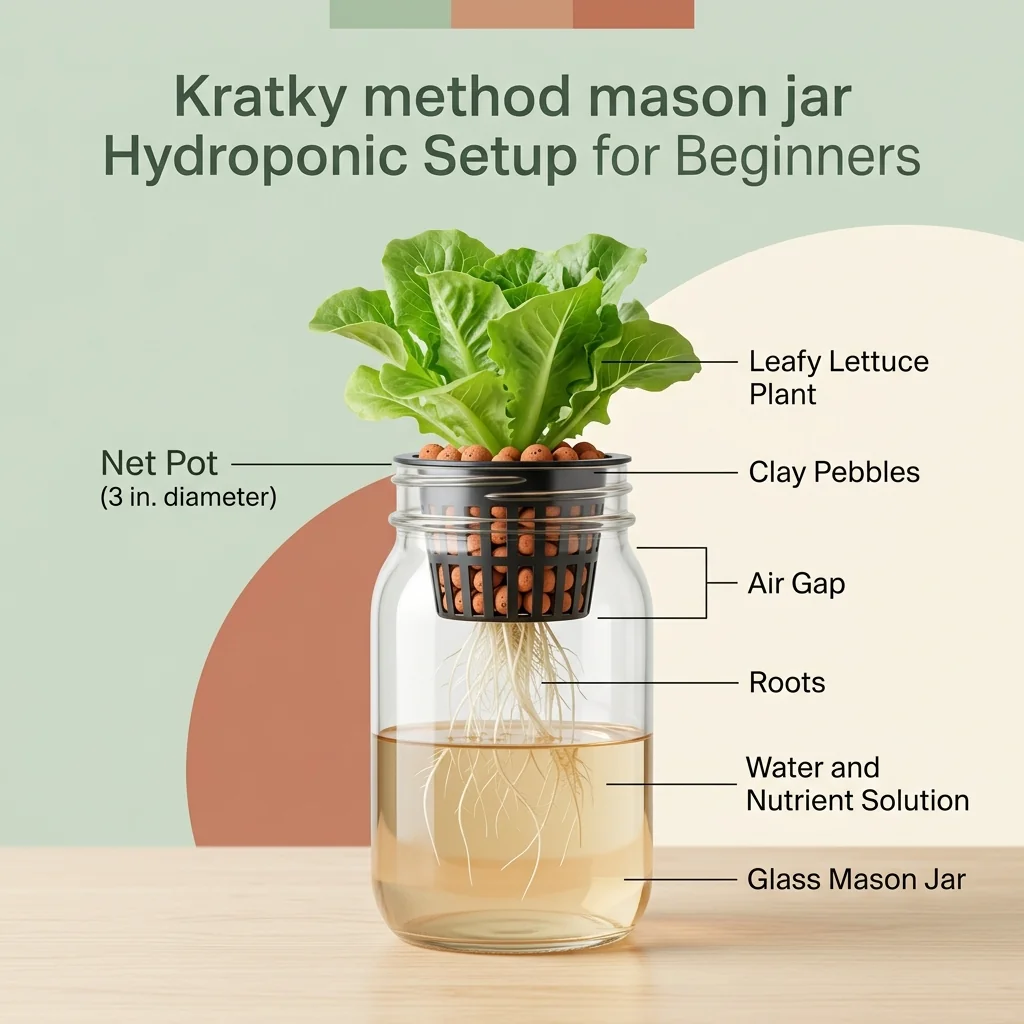
The Kratky method is the simplest way into hydroponics: a container of nutrient solution, a net pot, and no pump or power. Here is how it works and its limits.
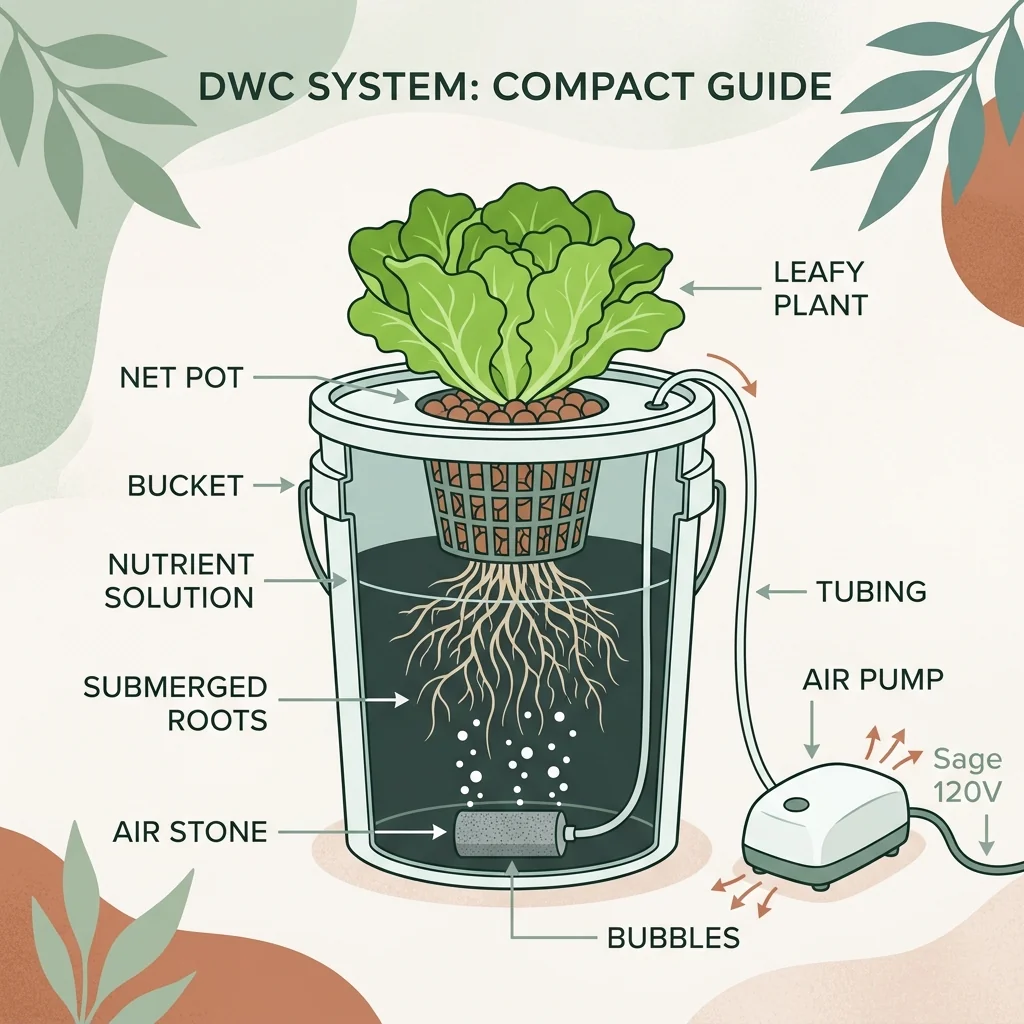
DWC suspends roots in aerated nutrient solution for fast growth. It is one of the best active systems for a small space, as long as you manage oxygen and heat.
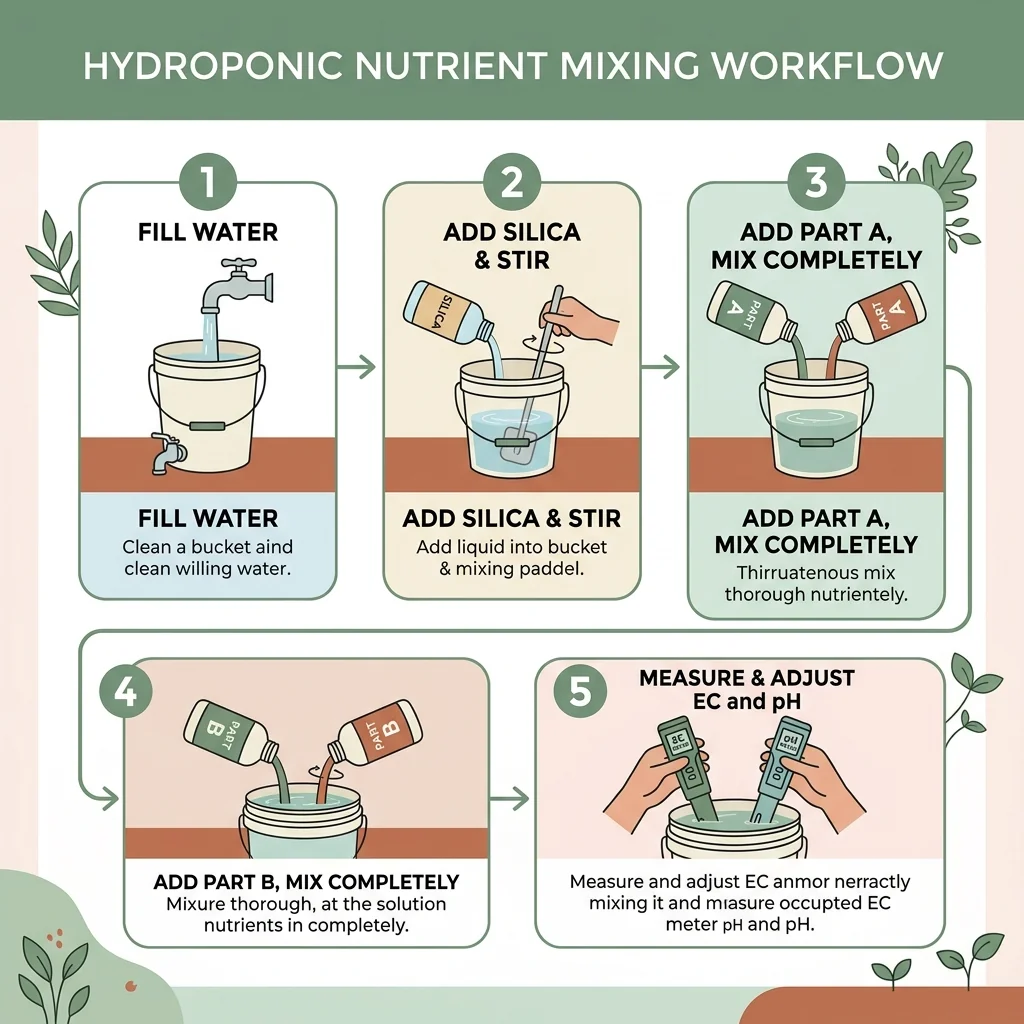
Mixing hydroponic nutrients is simple once you know the order: water first, nutrients separately, measure EC, then adjust pH last. Here is the step-by-step.
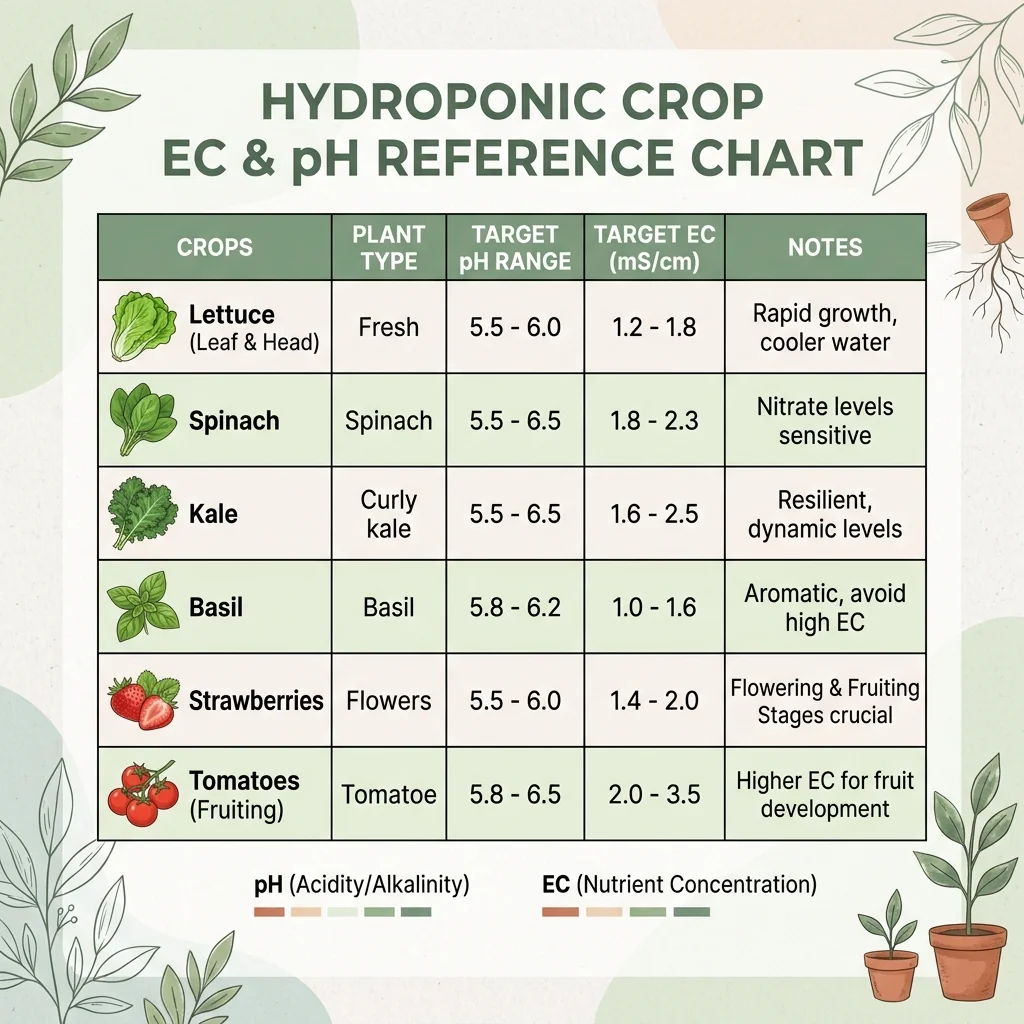
One reference chart for the EC and pH targets of common hydroponic crops, from leafy greens and herbs to fruiting plants, plus how to use the numbers safely.
Crop-specific EC, pH, light, and setup guides once you are past the lettuce basics.
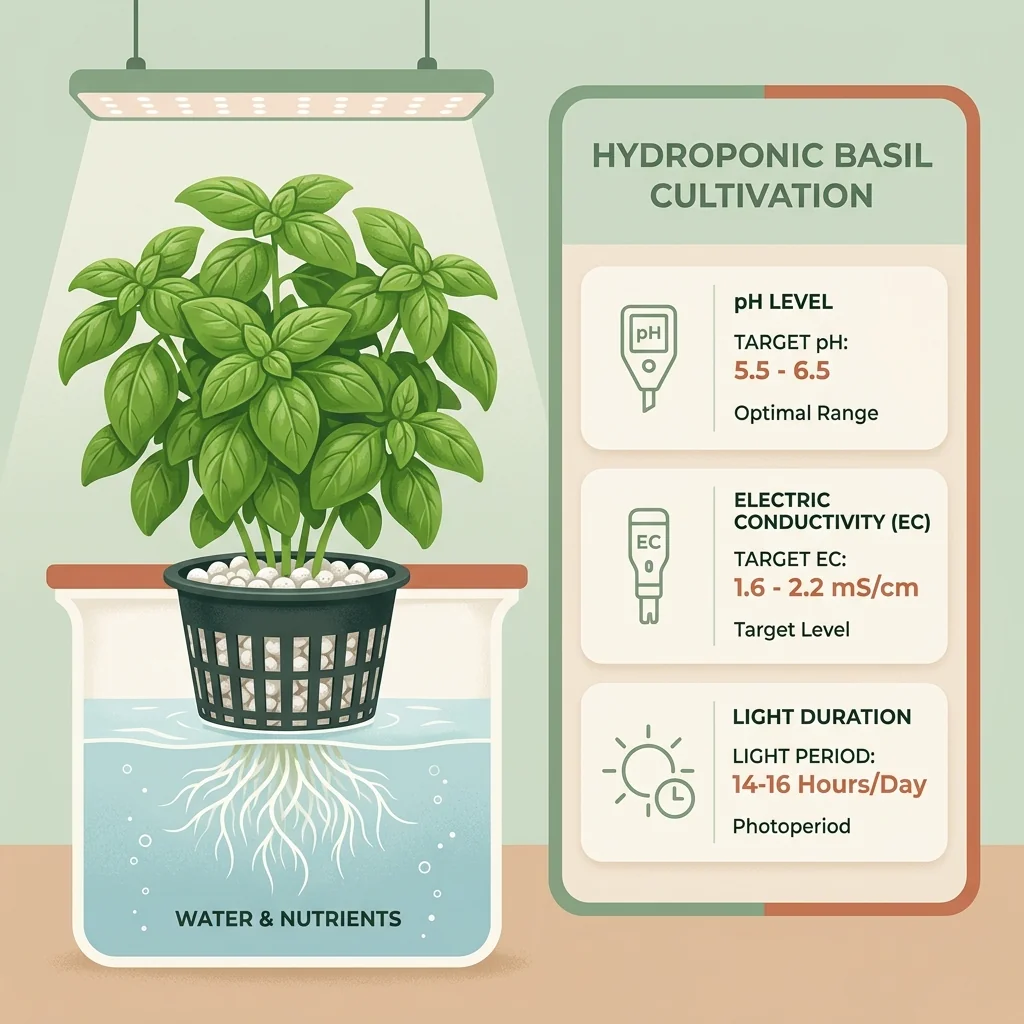
Basil is one of the fastest, most rewarding hydroponic crops once the water chemistry and light are right. Here are the exact EC, pH, and light targets to hit.
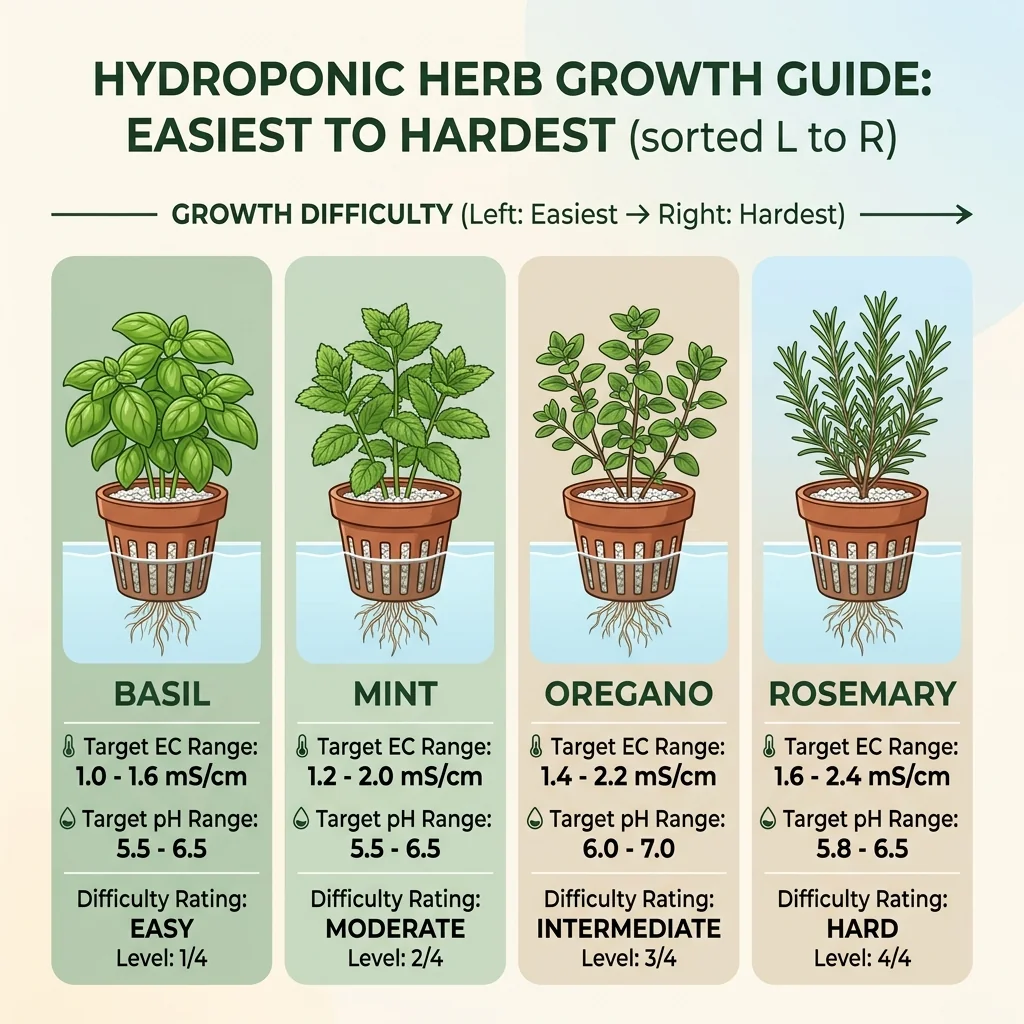
Most soft, leafy herbs thrive in hydroponics, while woody Mediterranean herbs are trickier. Here is a ranked guide to which herbs grow best and how to set them up.
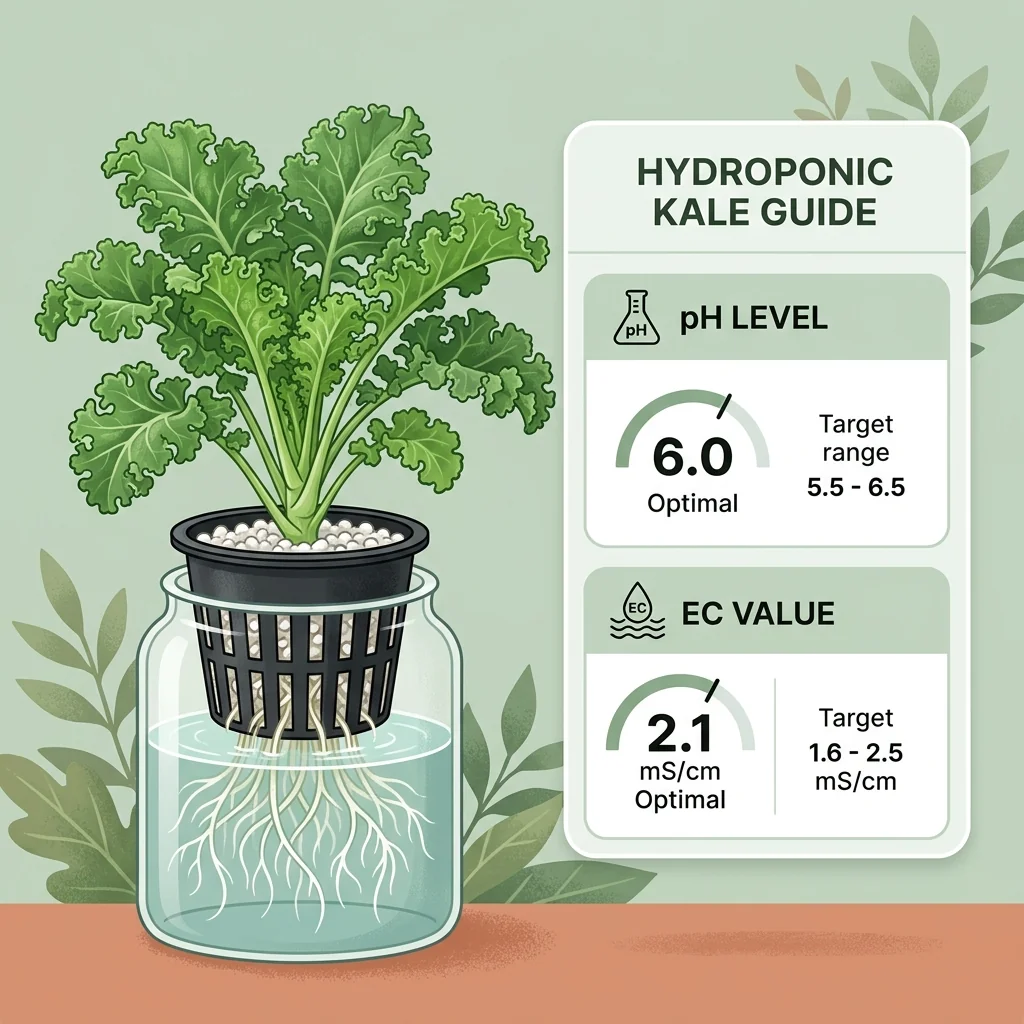
Kale is tough, forgiving, and fast in hydroponics, which makes it a great beginner crop after lettuce. Here are the EC, pH, light, and harvesting basics.
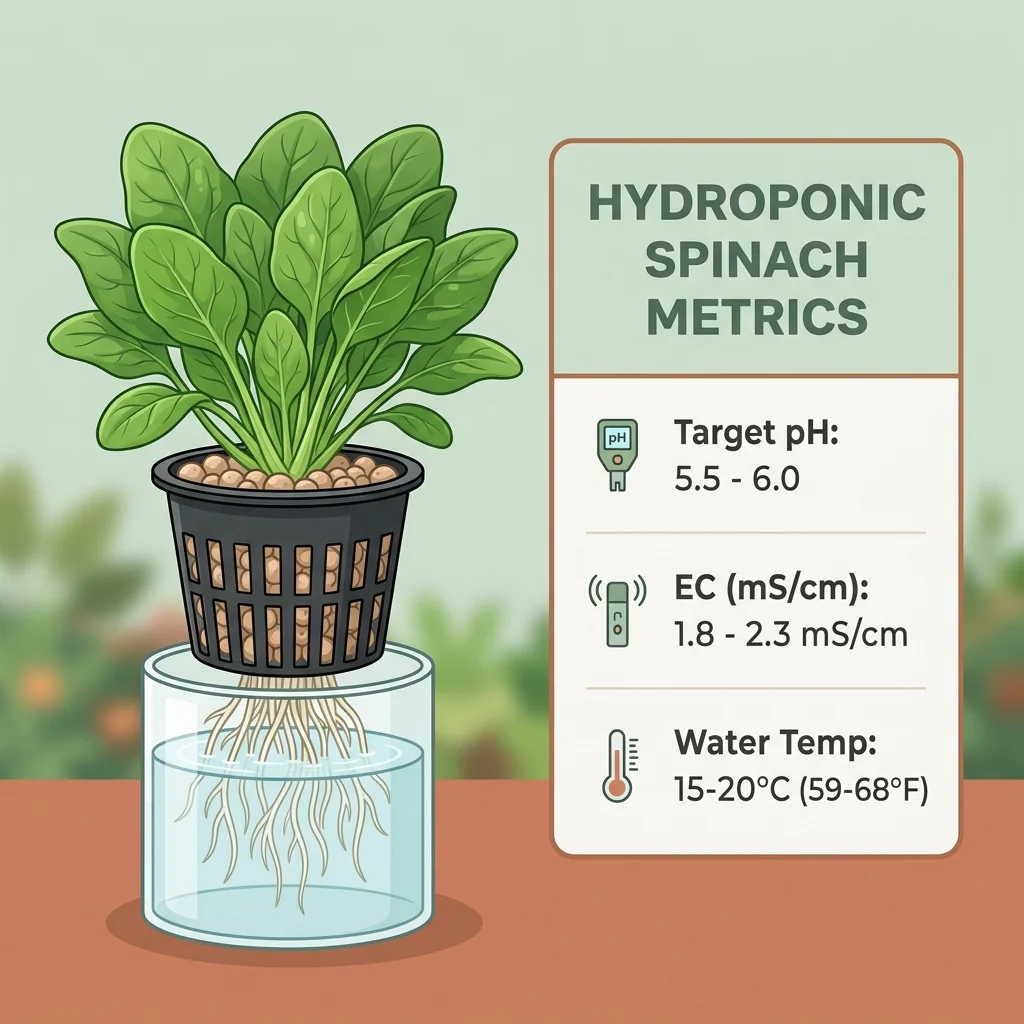
Spinach is a cool-season hydroponic crop that bolts in heat. Get the EC, pH, and especially the temperature right and it stays leafy and productive.
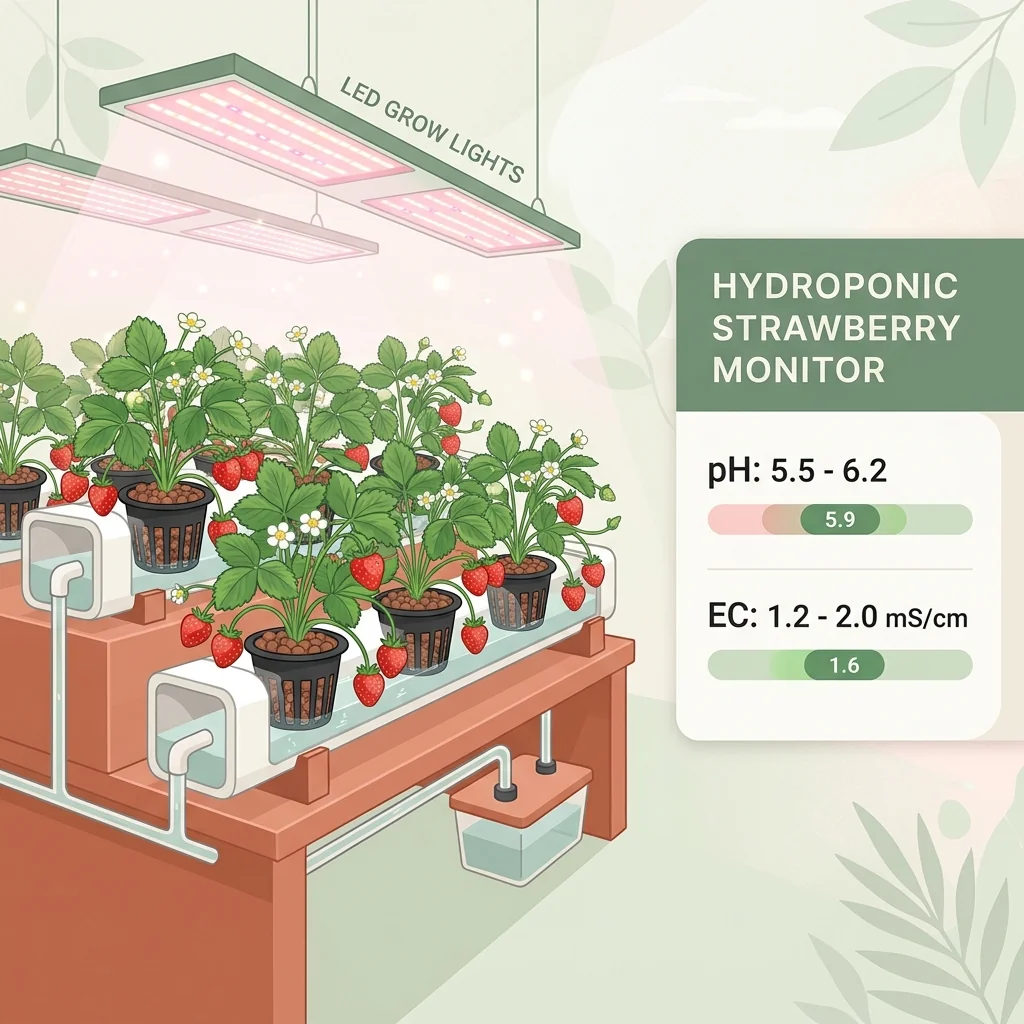
Indoor hydroponic strawberries are rewarding but demanding: they need strong light, hand pollination, and patience. Here is an honest look at whether it is worth it.
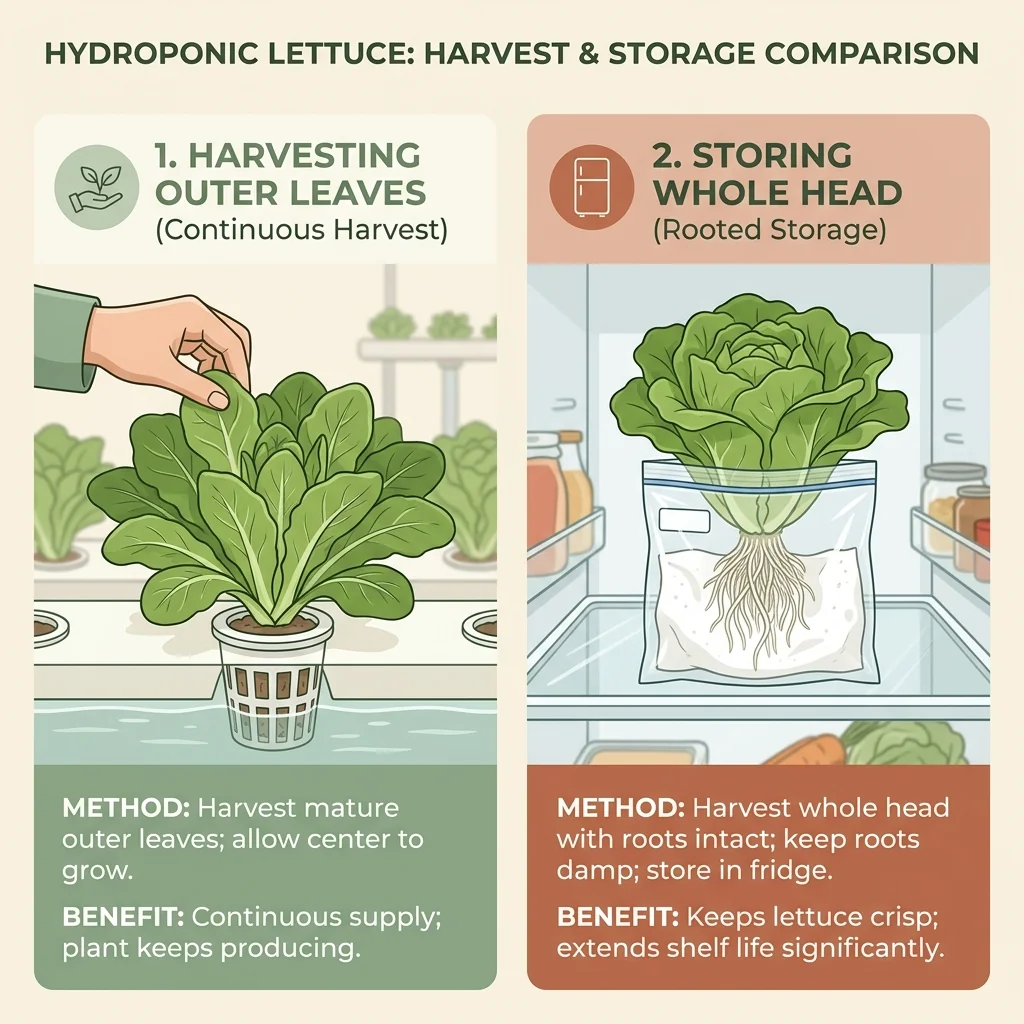
Hydroponic lettuce can out-keep store-bought by days if you harvest and store it right. Here is when to cut, how to take leaves repeatedly, and how to keep it crisp.
Gear picks for getting started and measuring your reservoir.
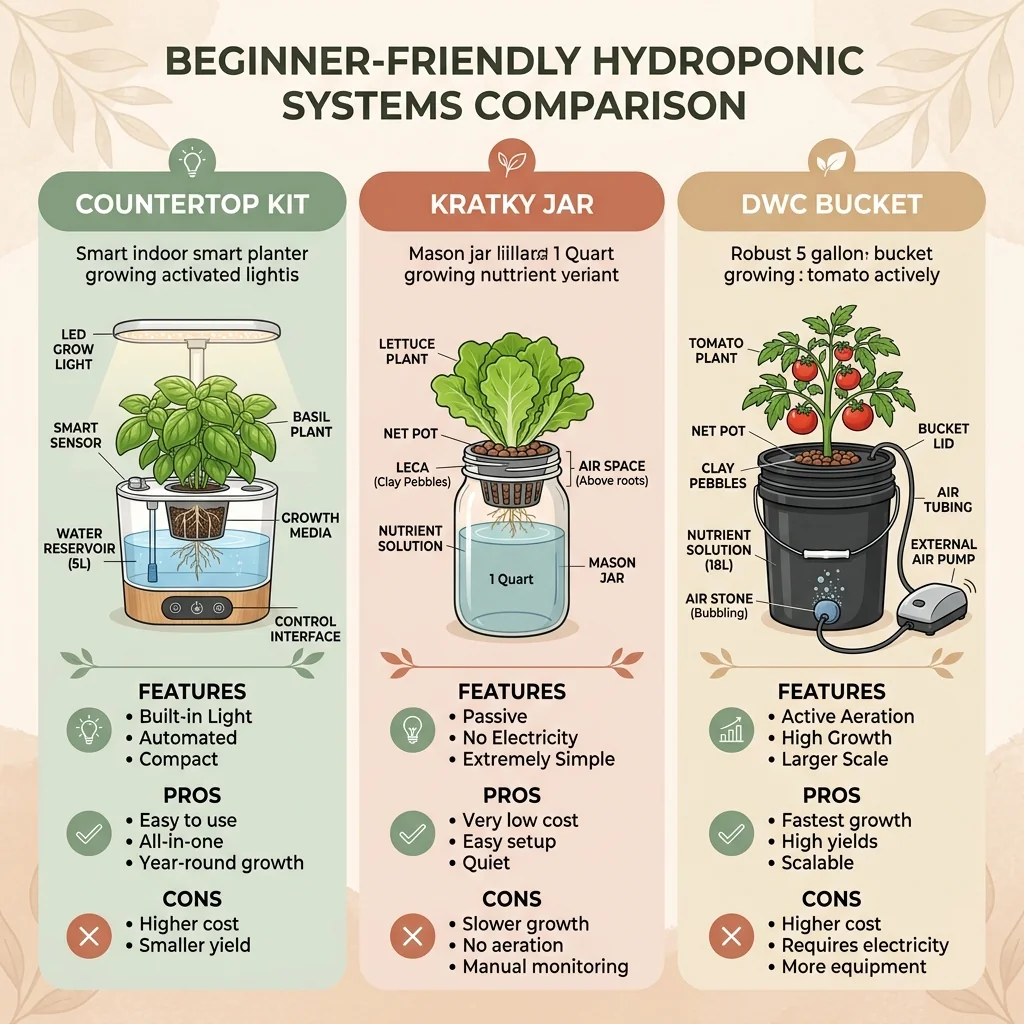
You do not need a complex rig to start hydroponics. These beginner-friendly systems, from all-in-one countertop kits to DIY Kratky jars, cover most first setups.
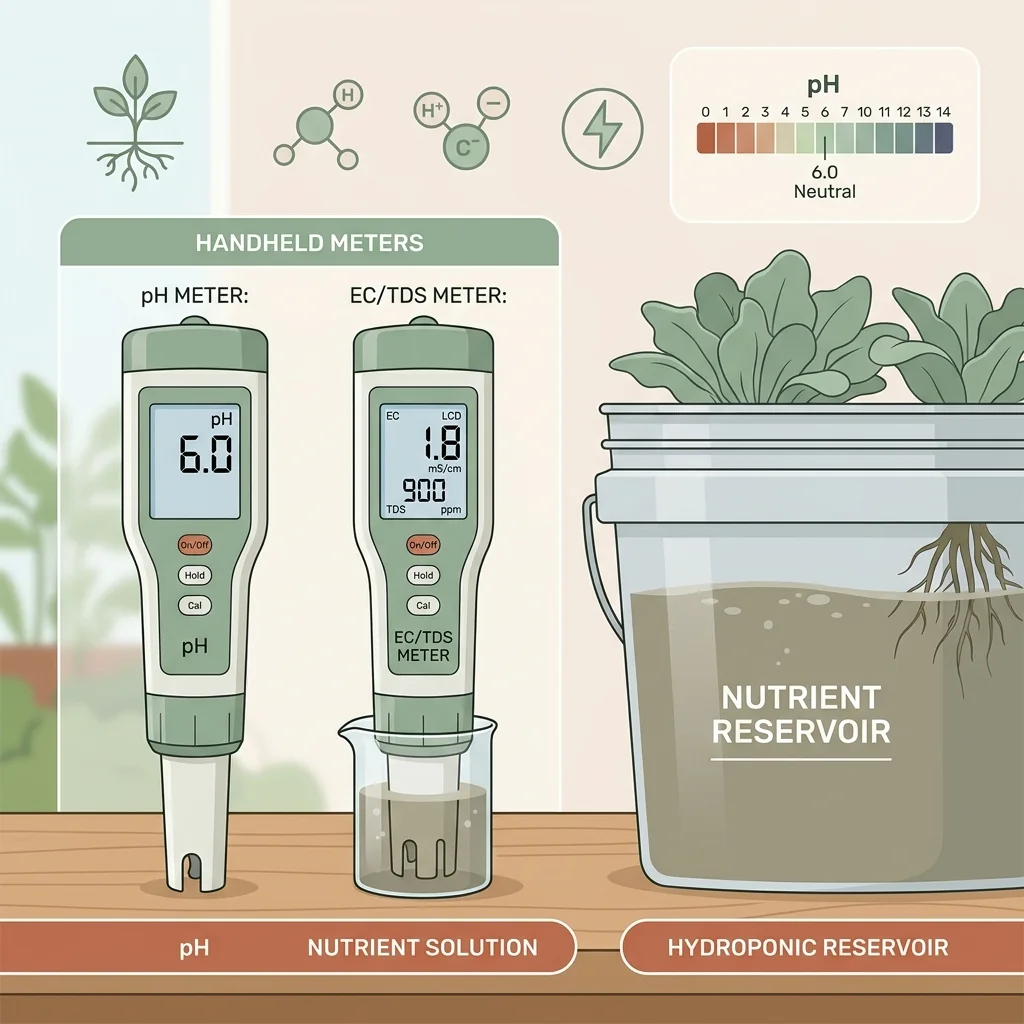
An EC meter and a pH meter are the two tools that make hydroponics predictable. Here is what matters when choosing them and which to prioritise.
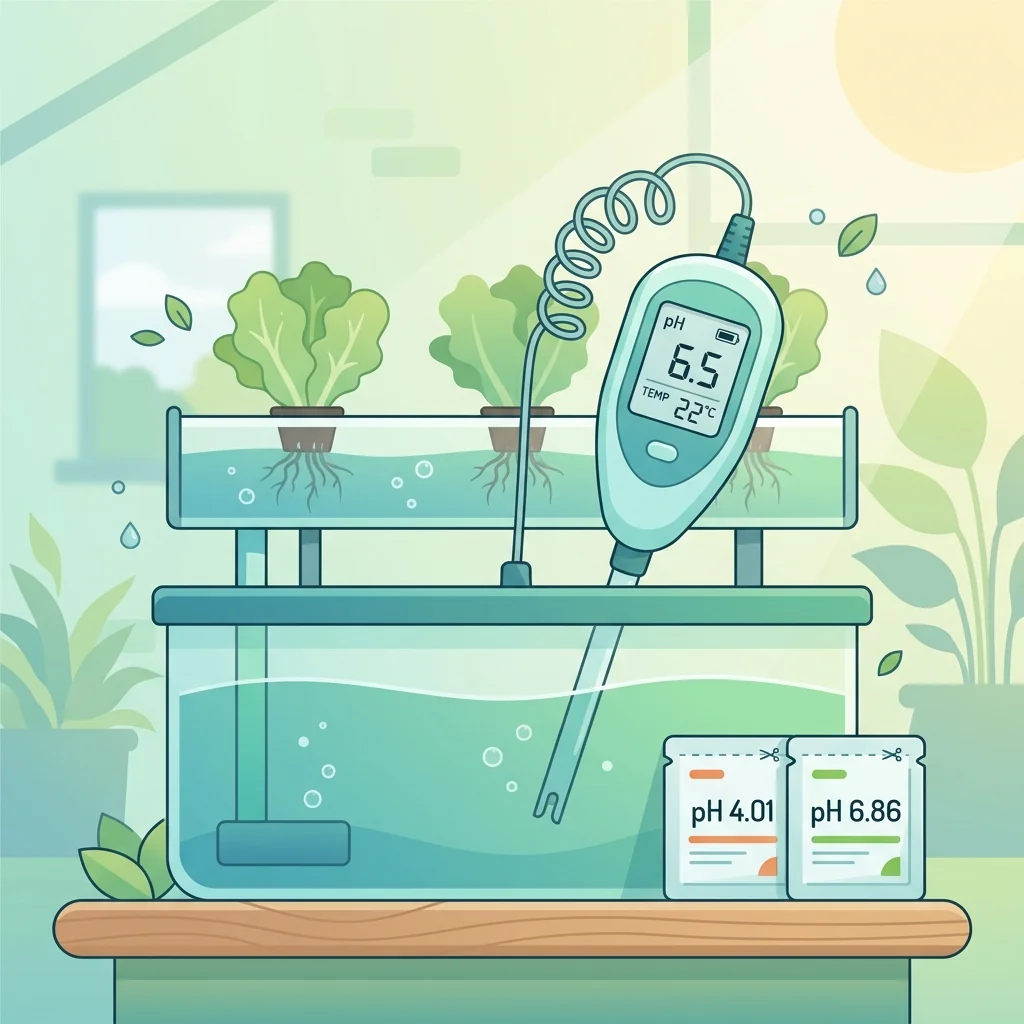
A reliable digital pH pen is the one measuring tool a hydroponic grower uses daily. Here is what matters when choosing one, and why strips and soil probes fall short.
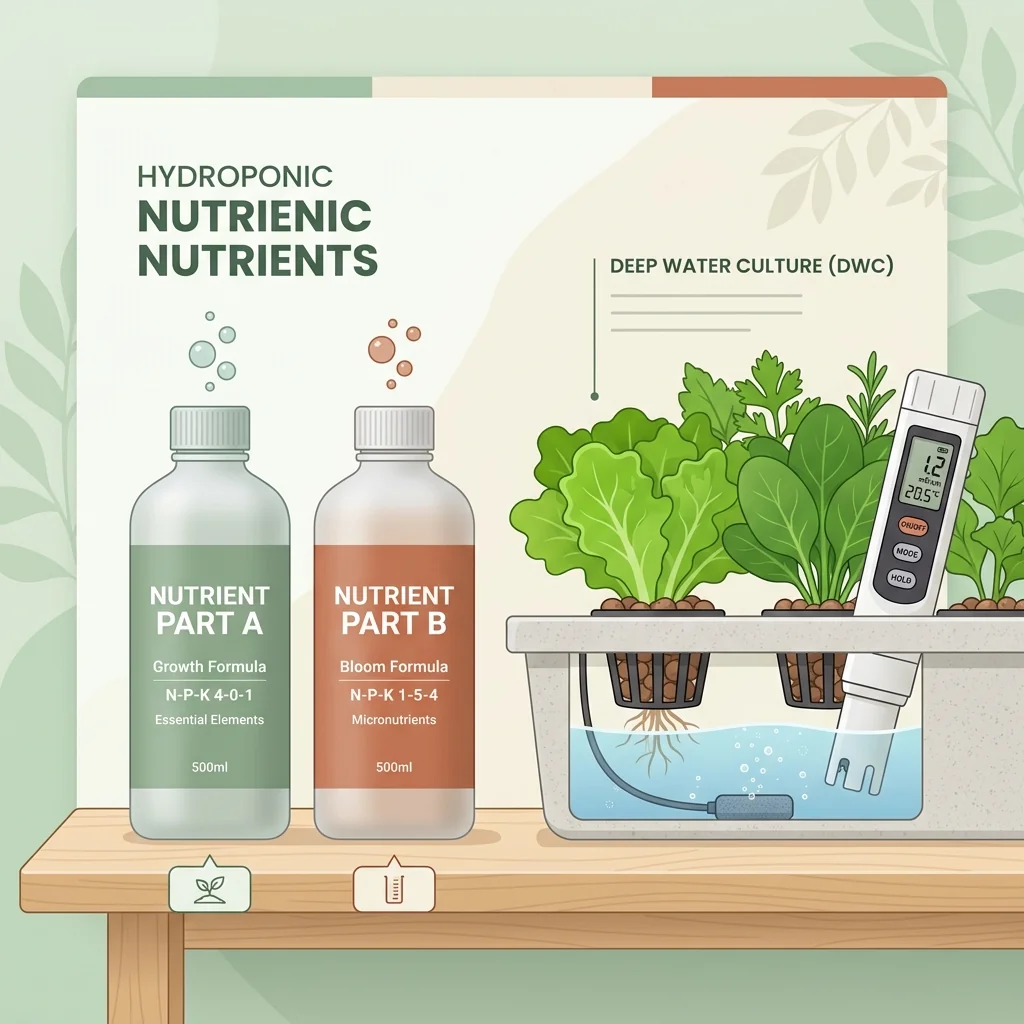
Leafy greens and herbs do not need exotic nutrients, just a complete, balanced formula with the right micronutrients. Here is what to look for and which type to pick.
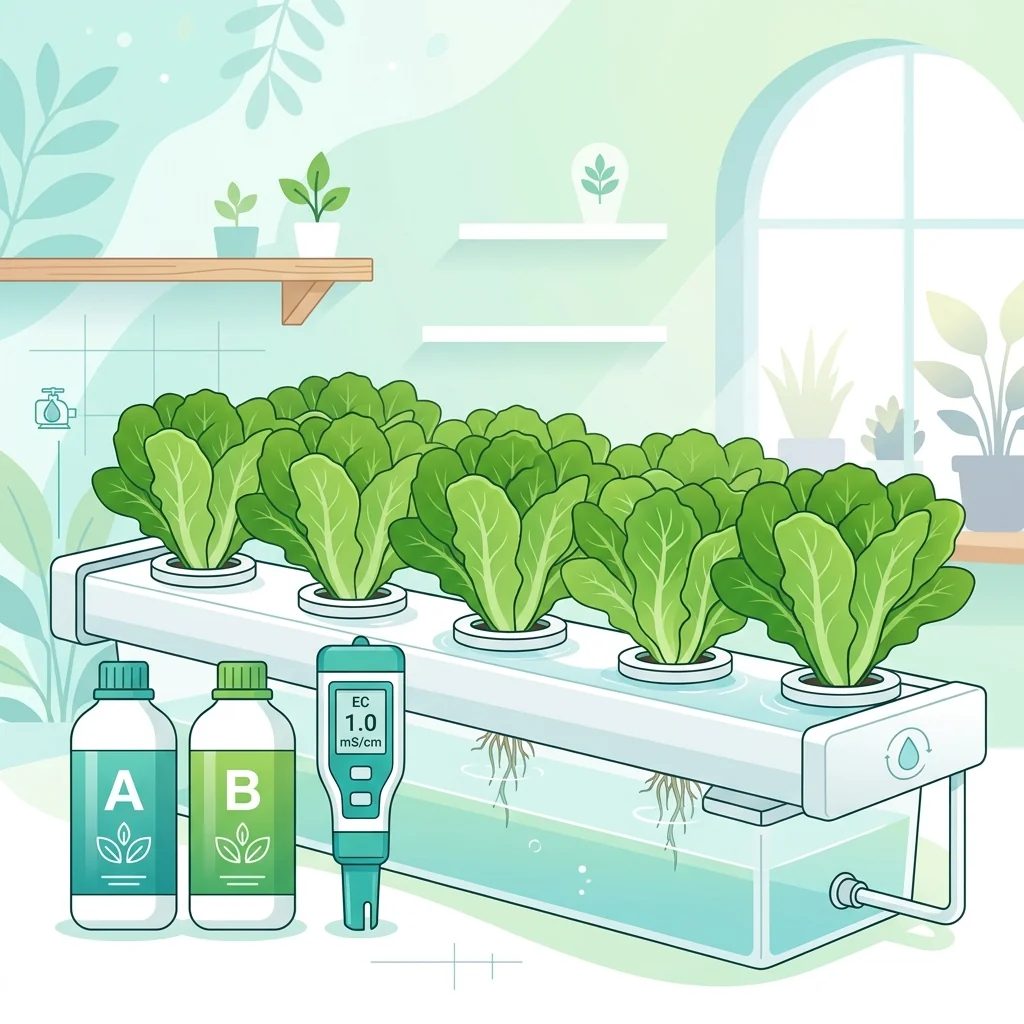
Lettuce is a light, fast feeder. It does not need a fancy nutrient, just a complete leafy-green formula run at a low EC. Here is what to buy and how to dose it.
These guides connect hydroponic systems to lighting, fixture choice, and indoor layout decisions.
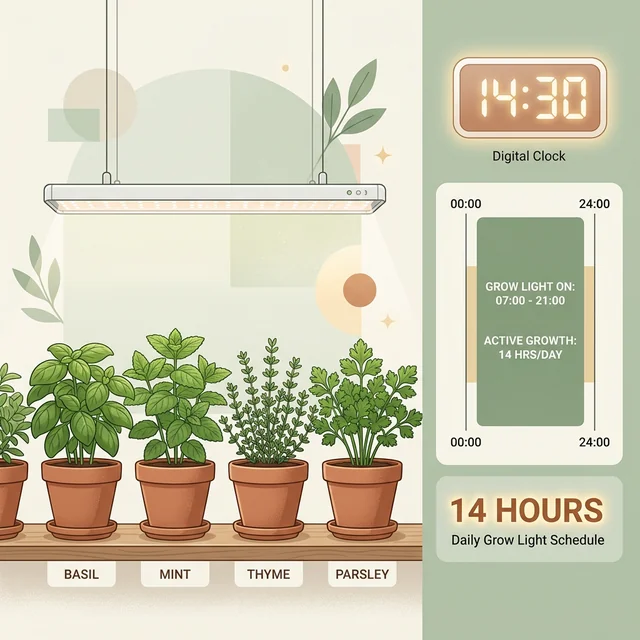
Most herb grow lights should run about 12 to 16 hours per day, but intensity, distance, and a stable dark period matter as much as the timer itself.
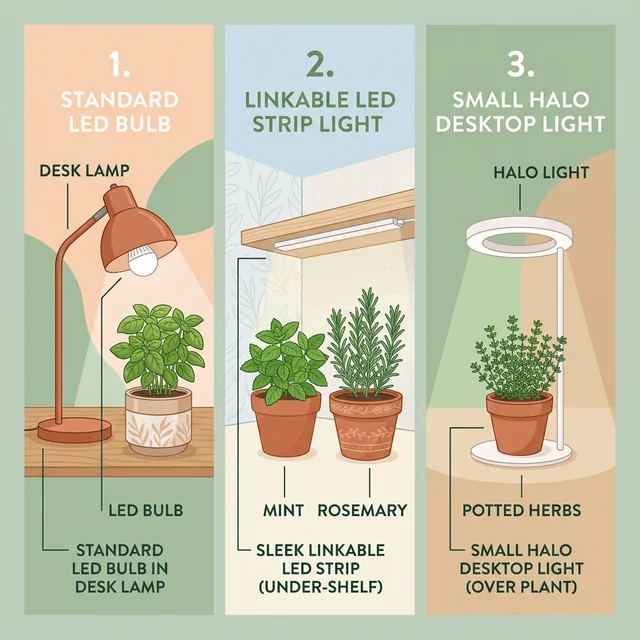
Most indoor herbs don't need a massive, expensive grow tent light. Here is how to choose the right LED bulbs, strips, or halos for your real apartment setup.
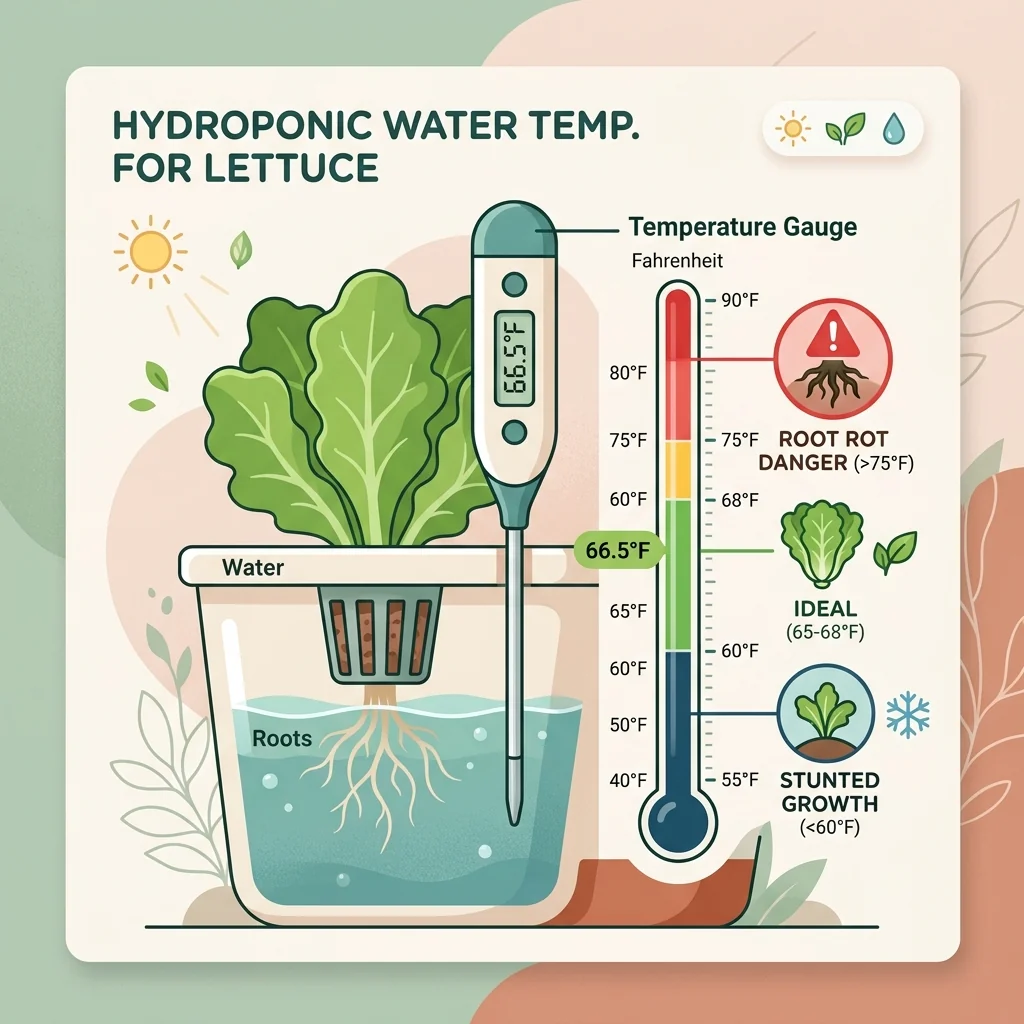
You can have perfect pH, perfect nutrients, and a massive air pump. But if your hydroponic reservoir is sitting at 80°F, your lettuce is actively suffocating. Here is why water temperature dictates everything in hydroponics.
Use these diagnosis-led guides when herbs or lettuce stop performing the way the system should allow.
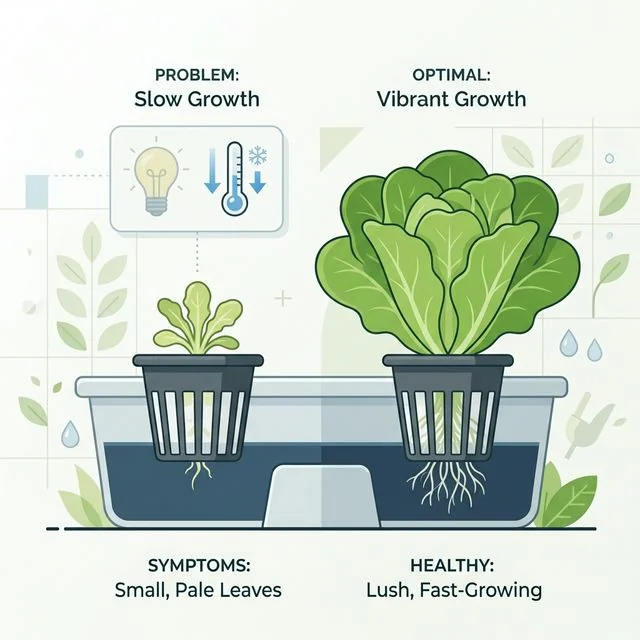
Slow hydroponic lettuce is usually a systems problem, not a mystery deficiency. The goal is to find the bottleneck without overcorrecting five variables at once.
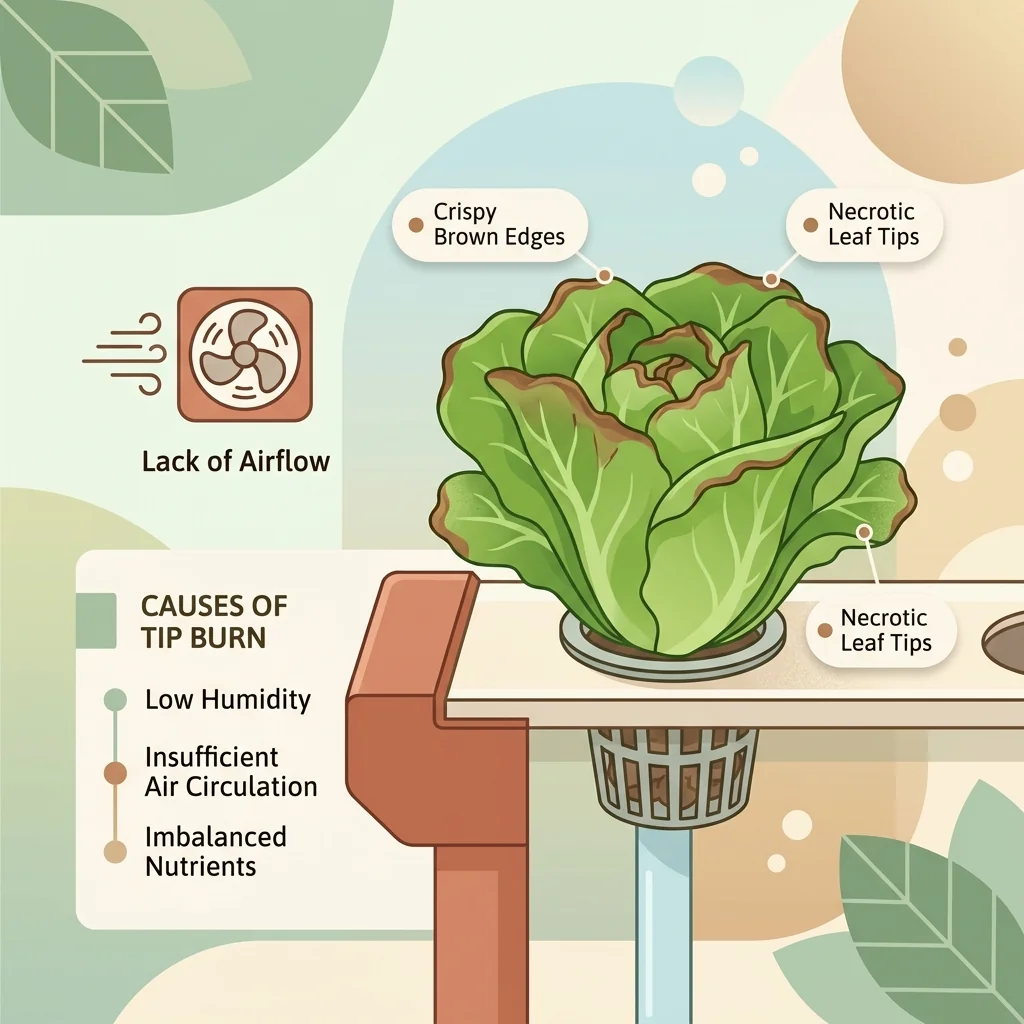
It is the most frustrating problem in indoor hydroponics: your lettuce looks perfect until the very edges of the youngest leaves turn brown and die. This is Tip Burn, and it is almost never caused by the nutrients in your reservoir.
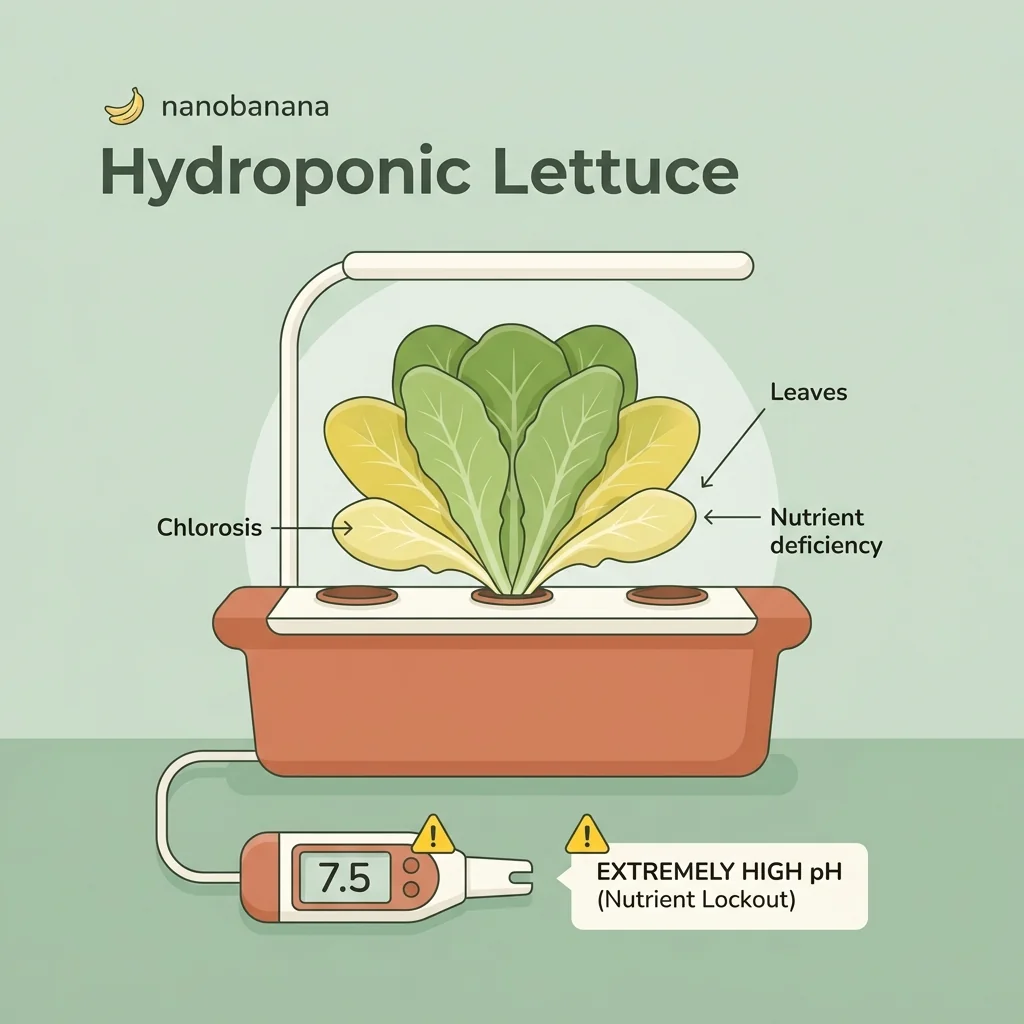
A thriving hydroponic lettuce head should be a vibrant, deep green. If your entire crop is turning a sickly, pale yellow, the plants are starving. Here is a step-by-step diagnostic framework to find the exact cause and rescue the crop.
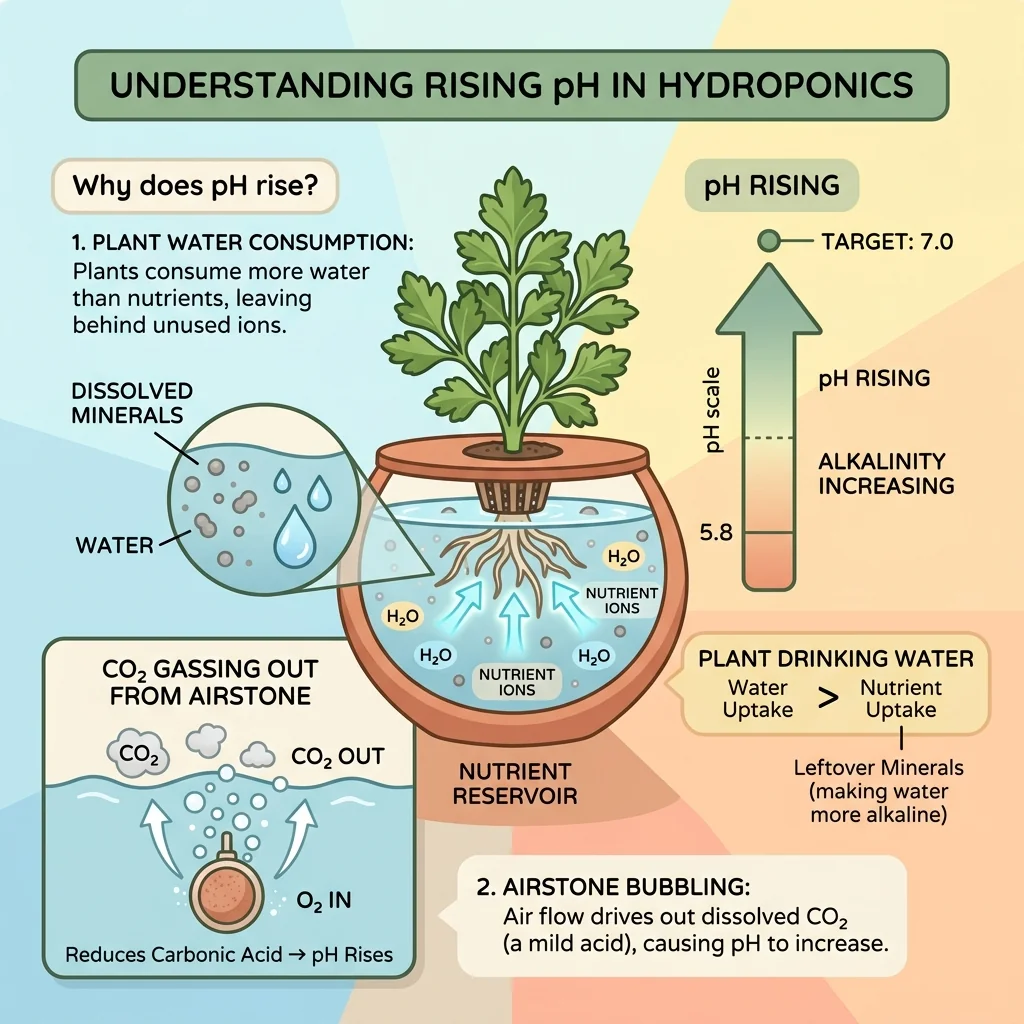
You balanced your hydroponic reservoir to a perfect 5.8 pH. Two days later, it has drifted back up to 6.8. This constant upward drift is the bane of hydroponic growers. Here is the chemistry behind why it happens and how to fix it.
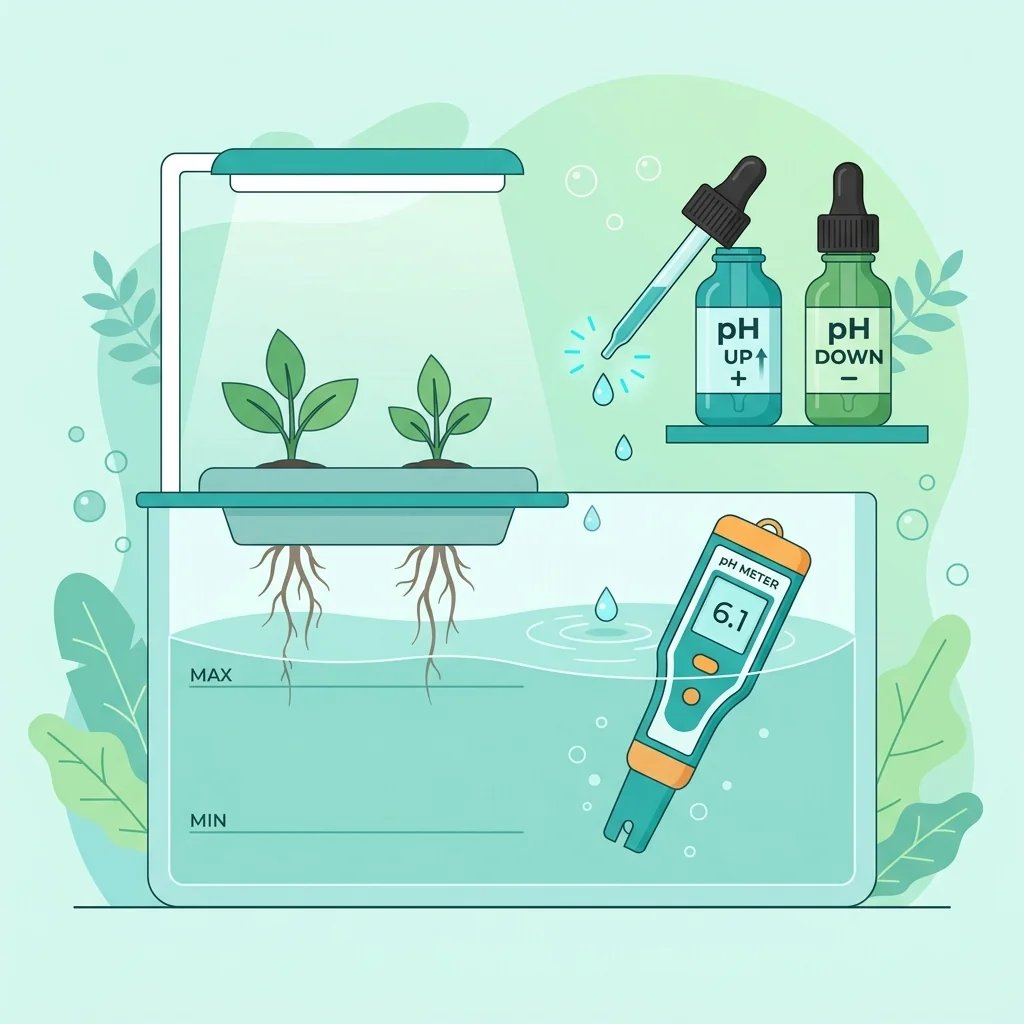
Adjusting hydroponic pH is simple once you know which product does what. Here is how to raise and lower pH safely, in small steps, without chasing the meter.
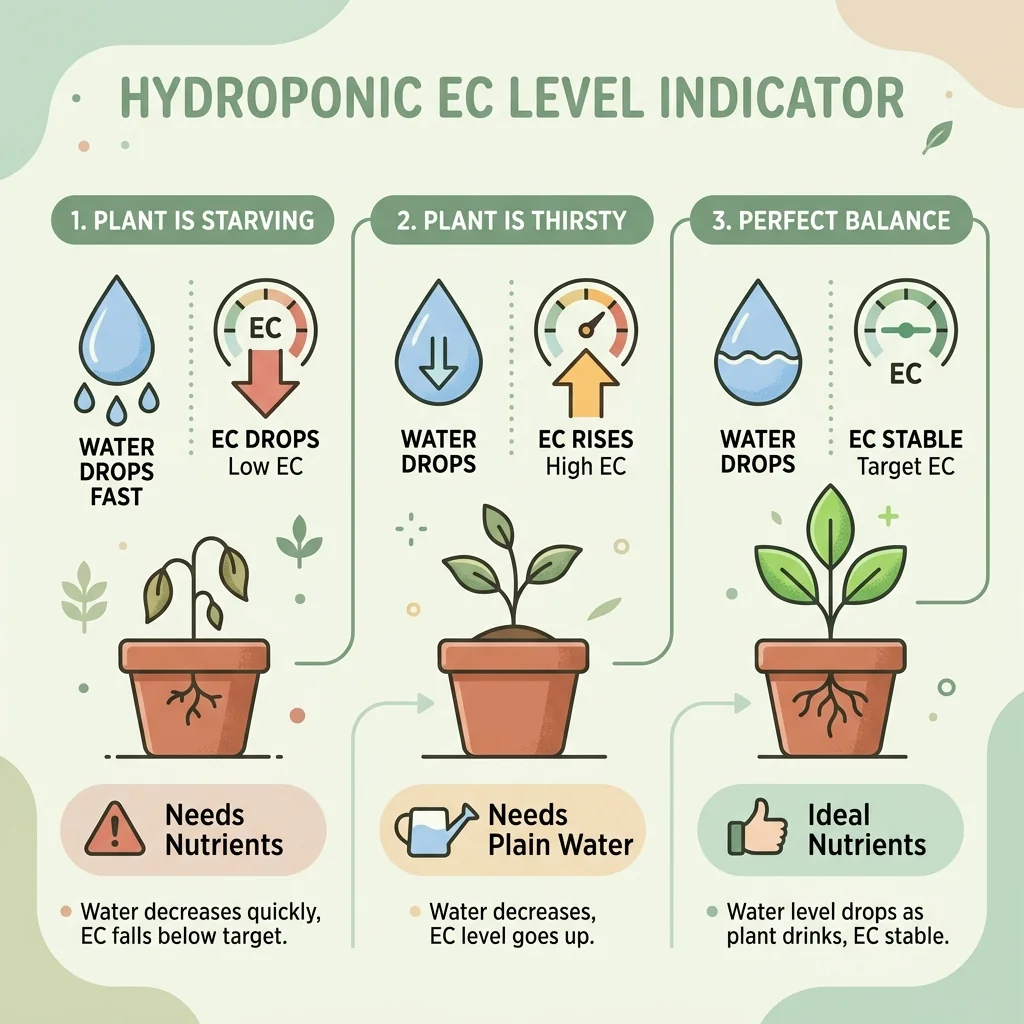
Your EC meter is a direct line of communication with your plants. By observing how the EC changes in relation to the water level, you can instantly determine if your plants are thirsty, starving, or perfectly balanced.
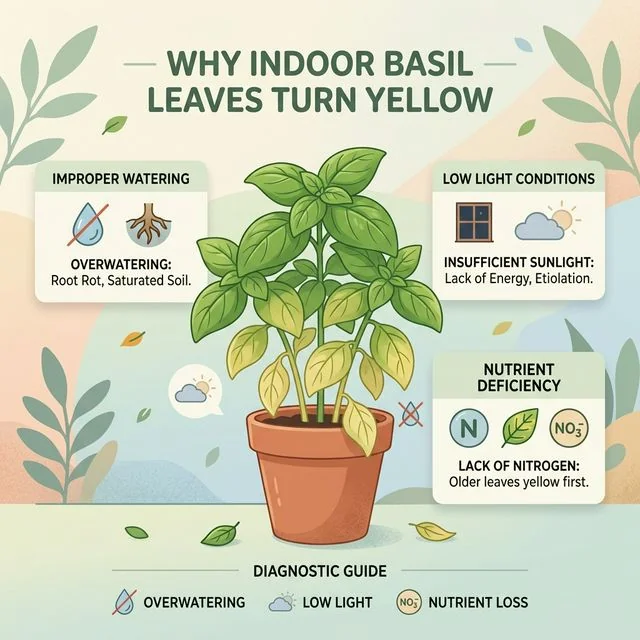
Yellow basil rarely has a single universal cause. The pattern of yellowing, the growing medium, and the recent care routine usually tell the story.
Once the fundamentals are stable, use these pieces to tighten plant density, fixture choice, and crop quality.

Seedlings usually need grow lights much closer than beginners expect, but the exact distance depends on fixture strength, lens design, and plant response.
Most herb grow lights should run about 12 to 16 hours per day, but intensity, distance, and a stable dark period matter as much as the timer itself.
This hub keeps the topic curated. If you need a plain utility list instead, use the simplified article archive.
A reliable digital pH pen is the one measuring tool a hydroponic grower uses daily. Here is what matters when choosing one, and why strips and soil probes fall short.
Lettuce is a light, fast feeder. It does not need a fancy nutrient, just a complete leafy-green formula run at a low EC. Here is what to buy and how to dose it.
Adjusting hydroponic pH is simple once you know which product does what. Here is how to raise and lower pH safely, in small steps, without chasing the meter.
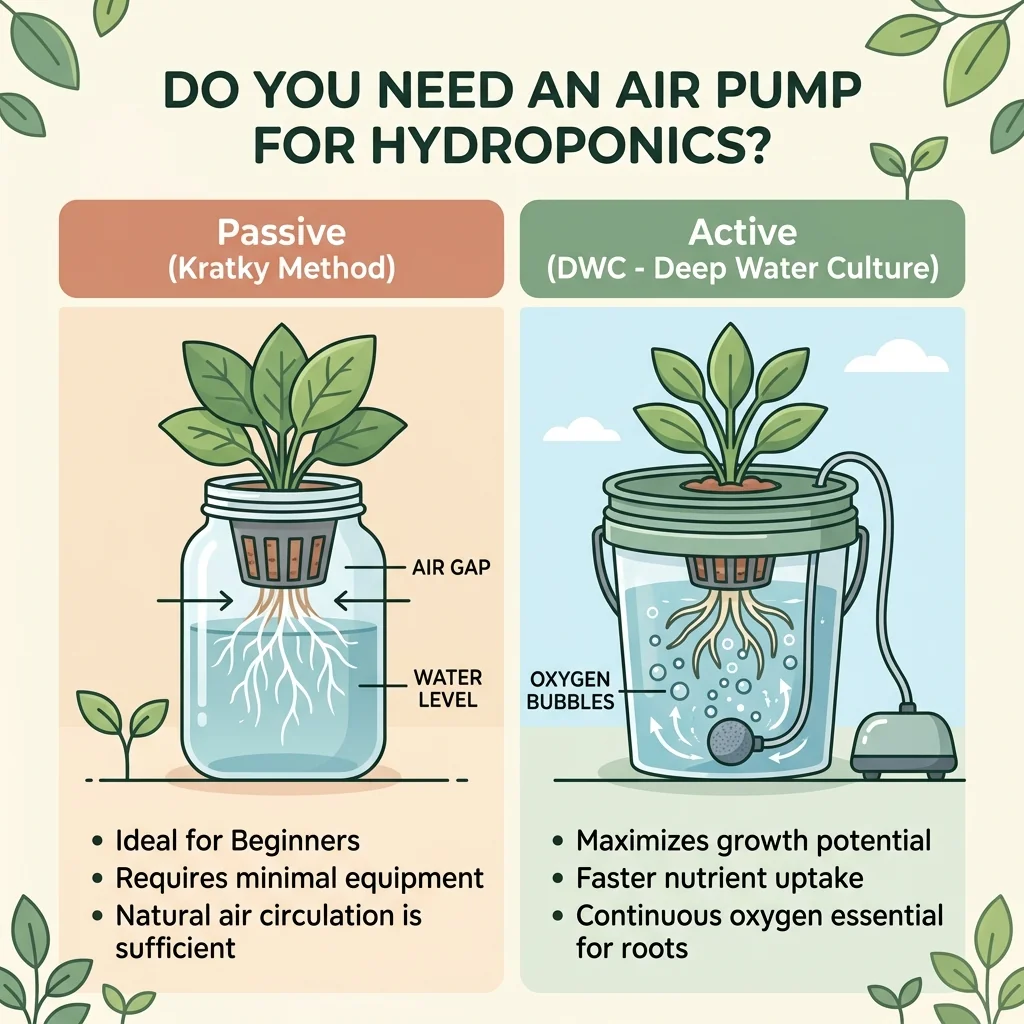
If you search for hydroponic tutorials, you will see a maze of air pumps, plastic tubing, and bubbling airstones. But do you actually need electrical aeration to grow plants in water? Here is the science of passive vs. active hydroponic setups.
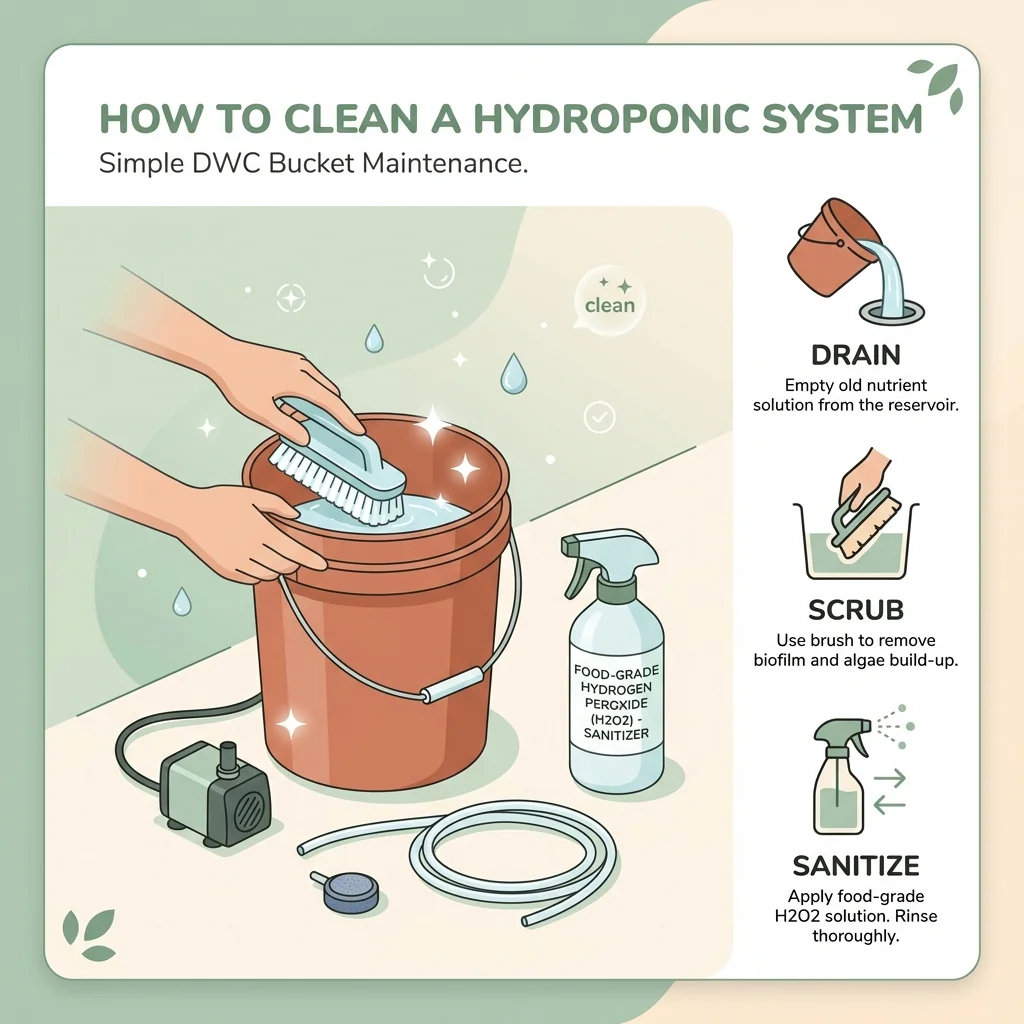
A small hydroponic setup does not need constant chemical intervention. But between harvest cycles, a rigorous deep-clean is non-negotiable to prevent algae, mineral scaling, and deadly root rot spores from infecting your next crop. Here is the ultimate guide to system hygiene.
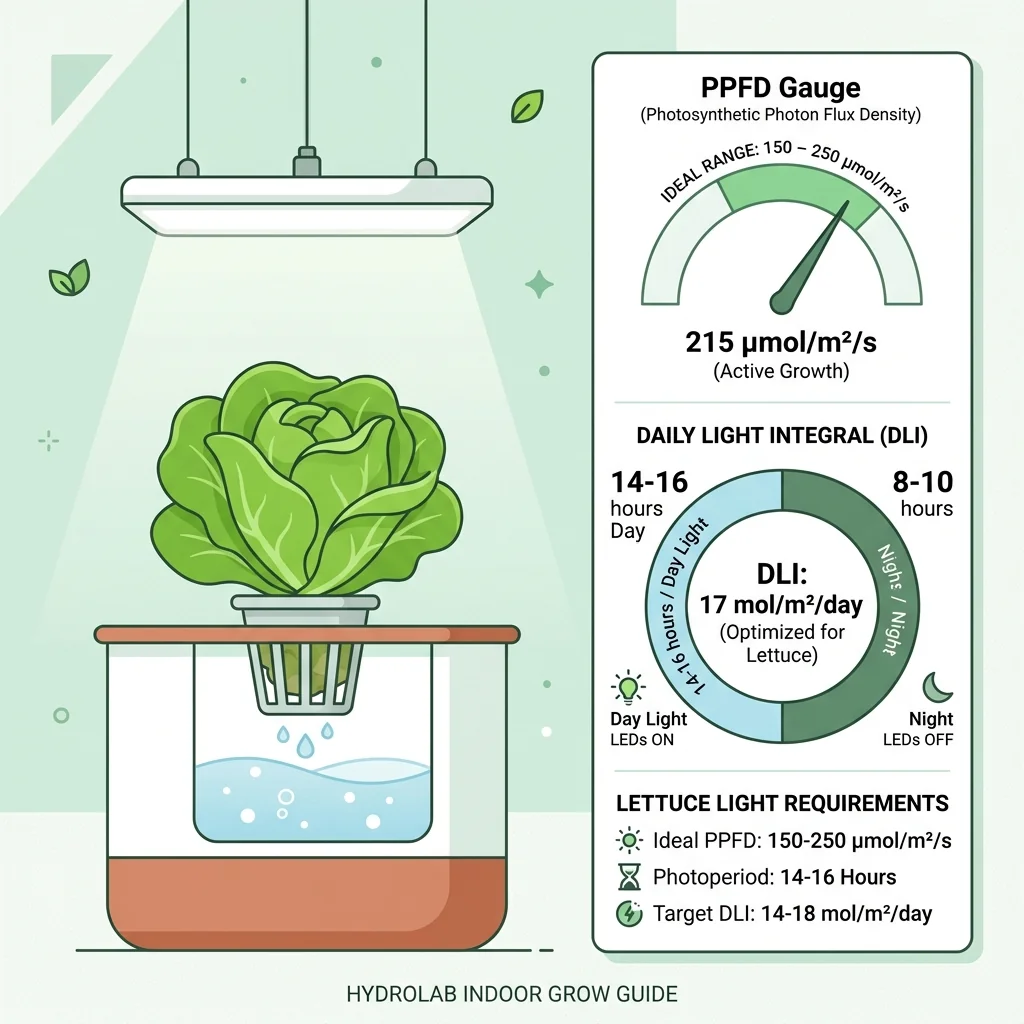
Unlike tomatoes or peppers that require massive amounts of energy to produce fruit, lettuce is a simple leaf factory. If you blast it with high-intensity light, it will stress and die. Here are the exact scientific lighting rules for sweet, crunchy lettuce.
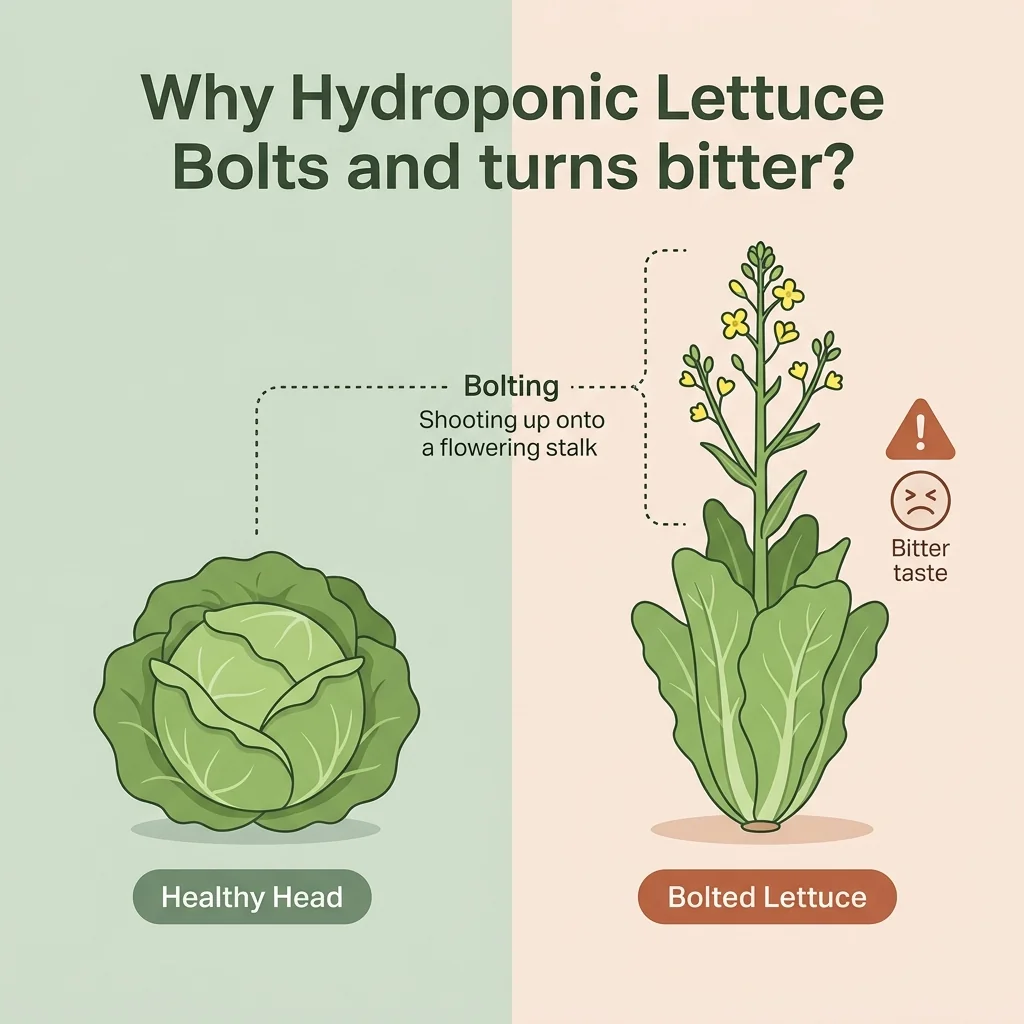
One day your hydroponic lettuce is a perfect, compact green rosette. The next, it has shot up like a pine tree, and a bite of the leaf leaves a horribly bitter taste in your mouth. Here is the science of lettuce bolting and how to stop it.
An EC meter and a pH meter are the two tools that make hydroponics predictable. Here is what matters when choosing them and which to prioritise.
Leafy greens and herbs do not need exotic nutrients, just a complete, balanced formula with the right micronutrients. Here is what to look for and which type to pick.
You do not need a complex rig to start hydroponics. These beginner-friendly systems, from all-in-one countertop kits to DIY Kratky jars, cover most first setups.
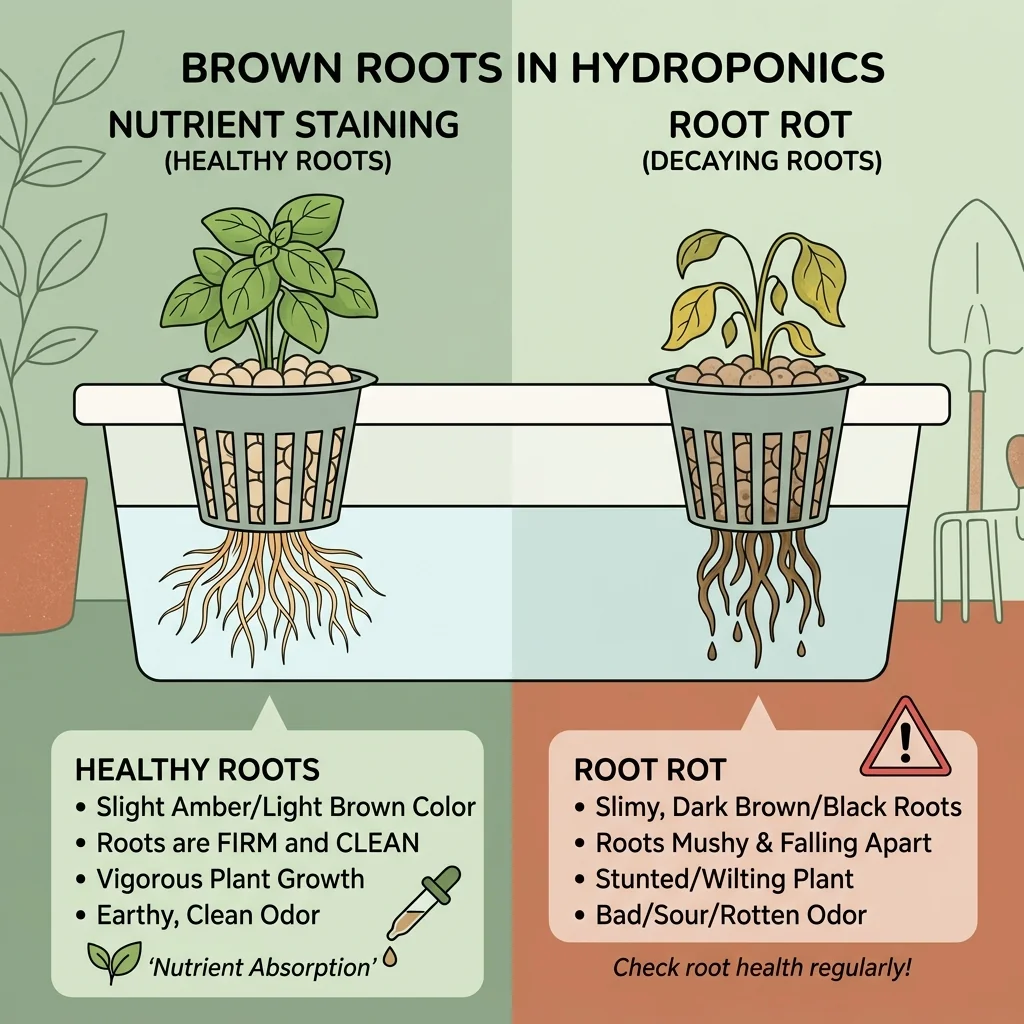
Finding brown roots in your hydroponic reservoir can cause instant panic. But before you dump your nutrients, you need to know: is it a harmless stain or a fatal infection? Here is how to diagnose the difference in seconds.
DWC suspends roots in aerated nutrient solution for fast growth. It is one of the best active systems for a small space, as long as you manage oxygen and heat.
Hydroponic lettuce can out-keep store-bought by days if you harvest and store it right. Here is when to cut, how to take leaves repeatedly, and how to keep it crisp.
Mixing hydroponic nutrients is simple once you know the order: water first, nutrients separately, measure EC, then adjust pH last. Here is the step-by-step.
Basil is one of the fastest, most rewarding hydroponic crops once the water chemistry and light are right. Here are the exact EC, pH, and light targets to hit.
One reference chart for the EC and pH targets of common hydroponic crops, from leafy greens and herbs to fruiting plants, plus how to use the numbers safely.
Most soft, leafy herbs thrive in hydroponics, while woody Mediterranean herbs are trickier. Here is a ranked guide to which herbs grow best and how to set them up.
Kale is tough, forgiving, and fast in hydroponics, which makes it a great beginner crop after lettuce. Here are the EC, pH, light, and harvesting basics.
Spinach is a cool-season hydroponic crop that bolts in heat. Get the EC, pH, and especially the temperature right and it stays leafy and productive.
Indoor hydroponic strawberries are rewarding but demanding: they need strong light, hand pollination, and patience. Here is an honest look at whether it is worth it.
Three systems dominate small-space hydroponics: Kratky, DWC, and NFT. This comparison shows how they differ and which one a beginner should actually start with.
The Kratky method is the simplest way into hydroponics: a container of nutrient solution, a net pot, and no pump or power. Here is how it works and its limits.
Hydroponics accelerates the natural growth cycle of plants, but how fast is it really? Here is the complete day-by-day timeline of a hydroponic lettuce crop, including the critical milestones you need to watch for.
Moving your fragile seedling from the nursery tray to the main hydroponic system is a high-risk maneuver. If you move it a day too early, it will drown. If you plant the heads too close together, they will choke each other out. Here are the exact metrics for a perfect transplant.
You cannot start hydroponic seeds in potting soil. The dirt will wash off into your reservoir, clogging your pump and causing a massive bacterial bloom. Here is the sterile, foolproof method to start seeds for water-based growing.
You can have perfect pH, perfect nutrients, and a massive air pump. But if your hydroponic reservoir is sitting at 80°F, your lettuce is actively suffocating. Here is why water temperature dictates everything in hydroponics.
Your EC meter is a direct line of communication with your plants. By observing how the EC changes in relation to the water level, you can instantly determine if your plants are thirsty, starving, or perfectly balanced.
You balanced your hydroponic reservoir to a perfect 5.8 pH. Two days later, it has drifted back up to 6.8. This constant upward drift is the bane of hydroponic growers. Here is the chemistry behind why it happens and how to fix it.
A thriving hydroponic lettuce head should be a vibrant, deep green. If your entire crop is turning a sickly, pale yellow, the plants are starving. Here is a step-by-step diagnostic framework to find the exact cause and rescue the crop.
It is the most frustrating problem in indoor hydroponics: your lettuce looks perfect until the very edges of the youngest leaves turn brown and die. This is Tip Burn, and it is almost never caused by the nutrients in your reservoir.
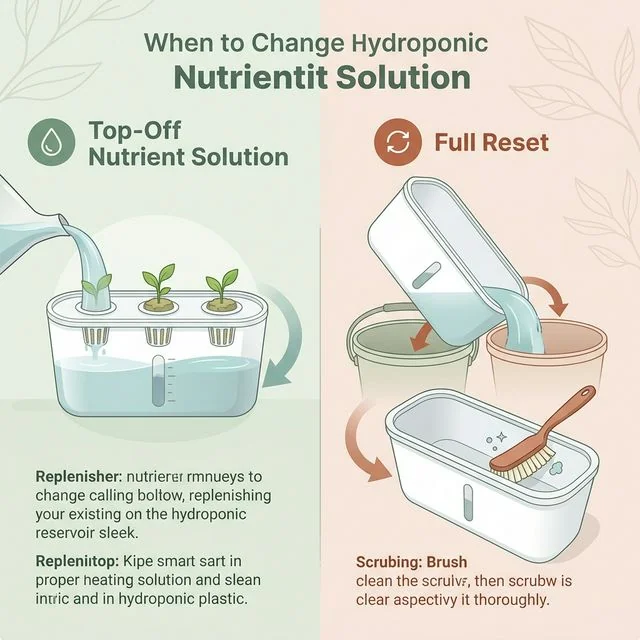
A hydroponic reservoir should not be treated like a closed loop forever. This guide shows when a simple top off is enough and when a full reset is the safer move.
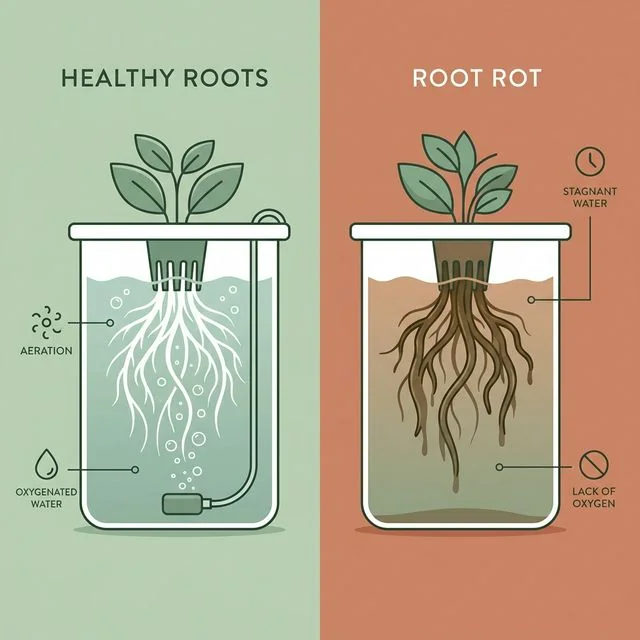
If your hydroponic roots look brown, feel slimy, or smell swampy, this guide helps you identify root rot early and fix the conditions causing it.
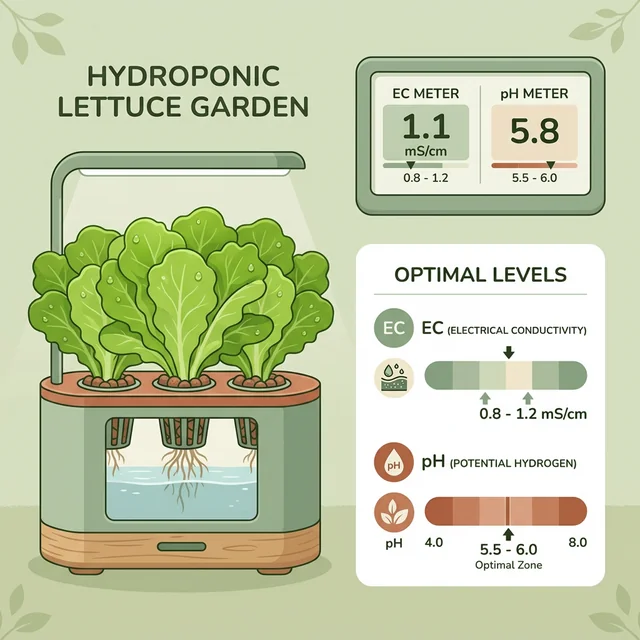
Lettuce is the easiest crop to grow hydroponically, but it requires specific water chemistry. Use this beginner-friendly EC and pH guide to prevent tip burn and slow growth.
Slow hydroponic lettuce is usually a systems problem, not a mystery deficiency. The goal is to find the bottleneck without overcorrecting five variables at once.
Most hydroponic problems are not mysterious. They come from concentration drift, pH drift, heat, or neglected maintenance. This guide covers the basics clearly.
Countertop hydroponic systems can work very well for herbs, but only if you treat them as small growing systems rather than decorative appliances.