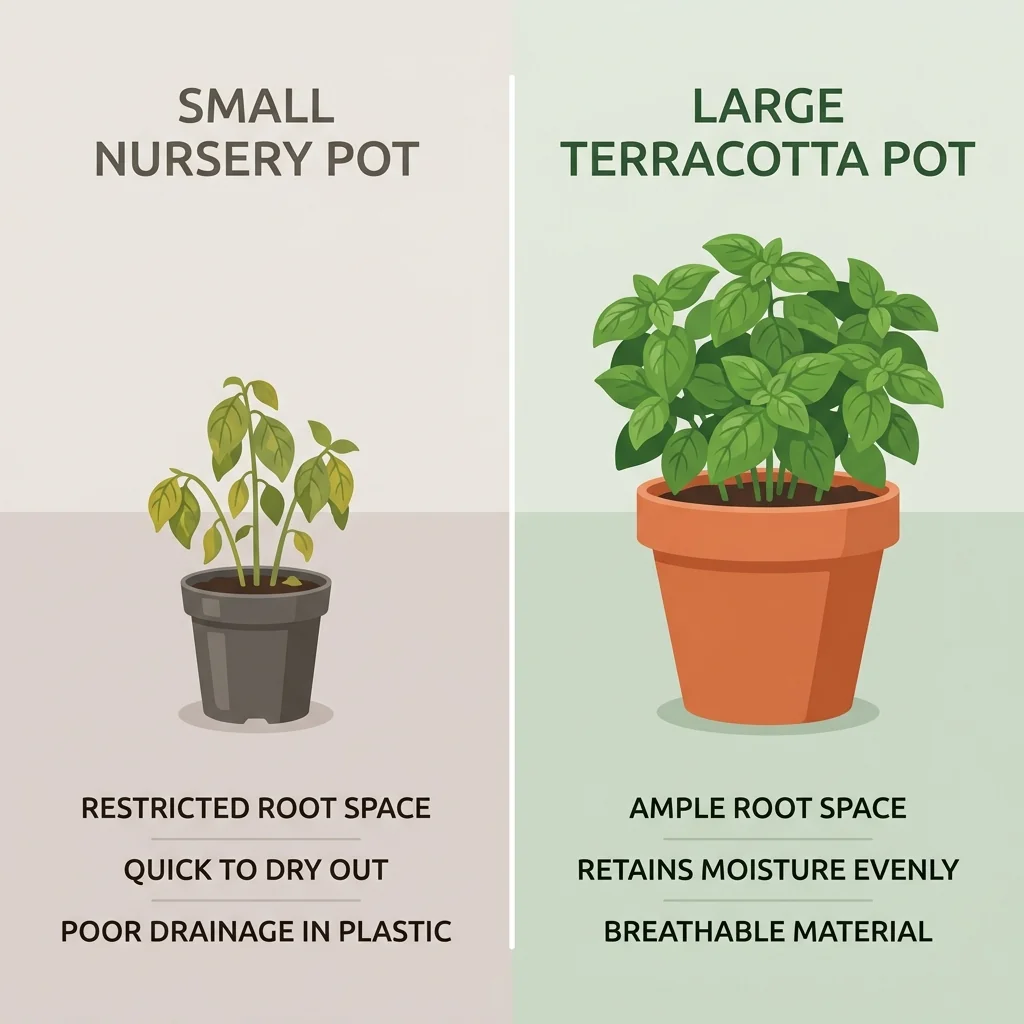
What size pot does basil need? Bigger than you think
Basil struggles in the small pots it is often sold in. A bigger container holds more water and steadier roots, which is the simplest fix for daily wilting.
This is the plain utility list for every published containers guide. For the main topic page with curated pathways, featured entry points, and broader context, use the primary hub.
Container growing depends on physical structure more than most beginners expect. This hub organizes container guidance around root space, drainage, crop fit, and the decisions that make container gardens easier to maintain.
Browse the full set of published guides in Containers & Planters. This archive stays intentionally simple so it does not compete with the main hub.
Basil struggles in the small pots it is often sold in. A bigger container holds more water and steadier roots, which is the simplest fix for daily wilting.
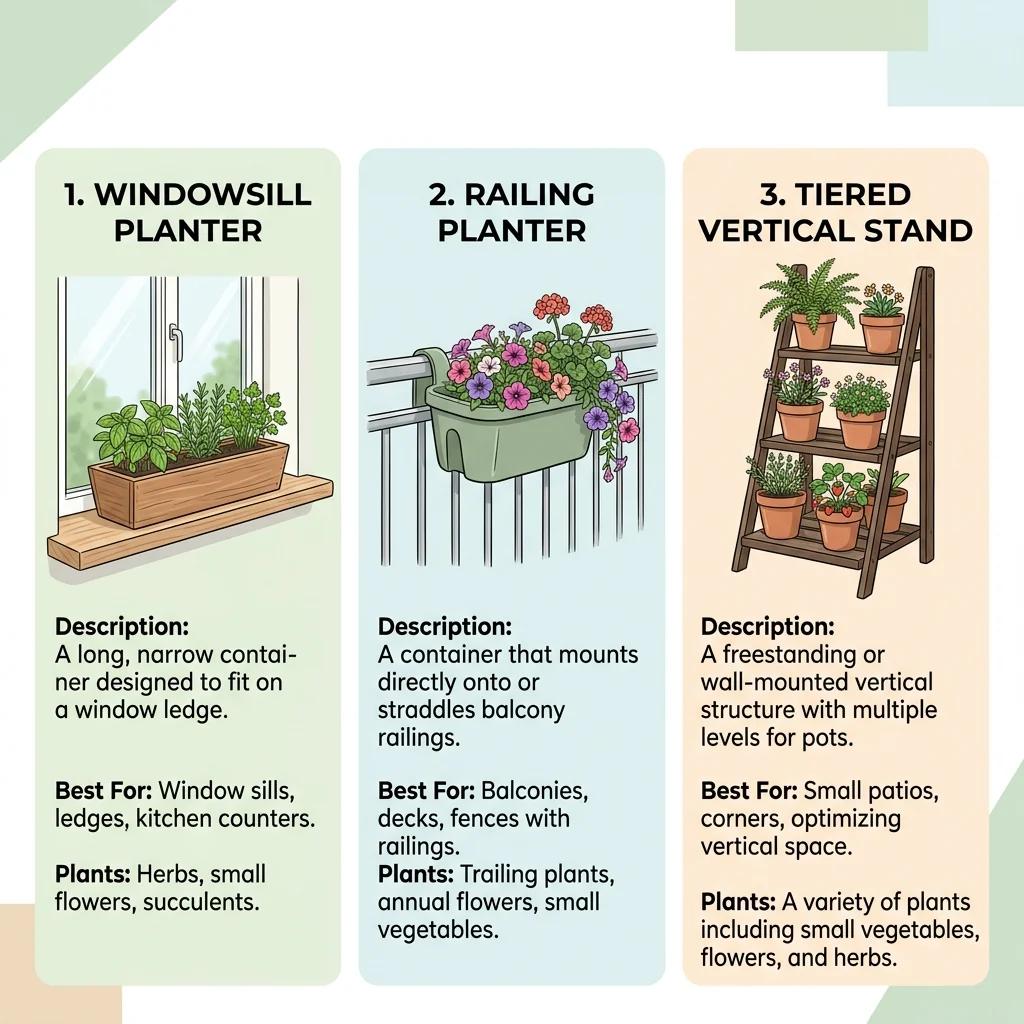
Small spaces reward planters that use vertical room and fit a sill or rail. Here are the best types for windowsills, balconies, and walls, and what to check before buying.
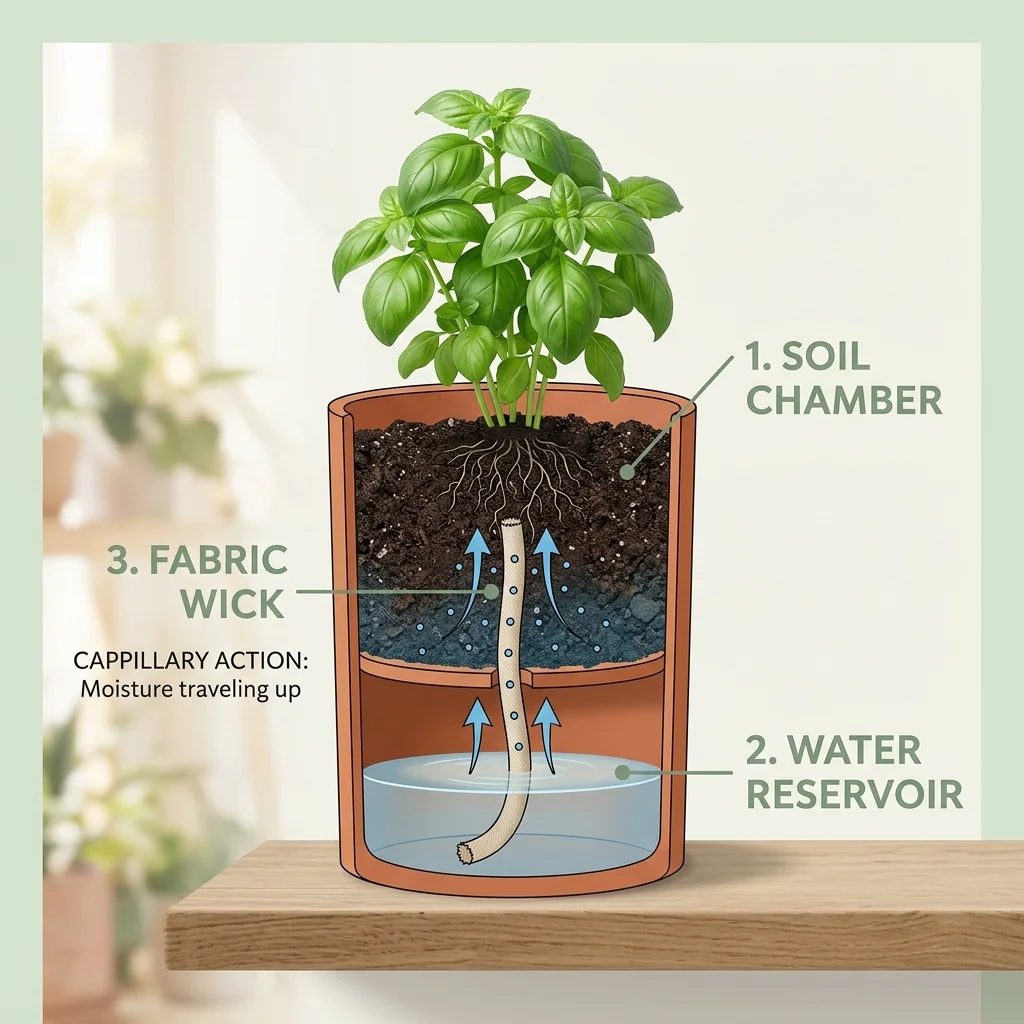
Self-watering pots take the guesswork out of watering thirsty herbs, but they are wrong for Mediterranean herbs. Here is how to choose and who they suit.
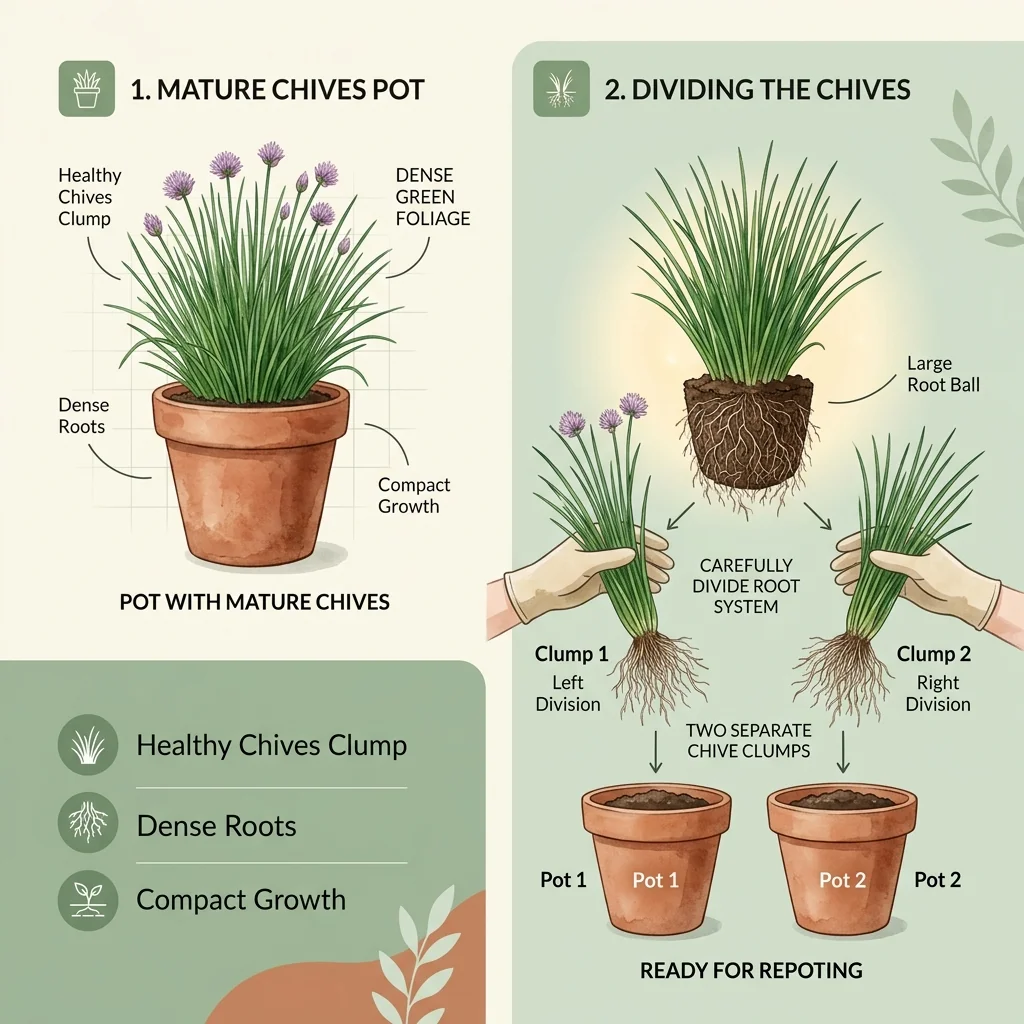
Chives are one of the easiest herbs to pot because their roots stay compact. A 6 inch pot is enough, and dividing the clump gives you free plants over time.
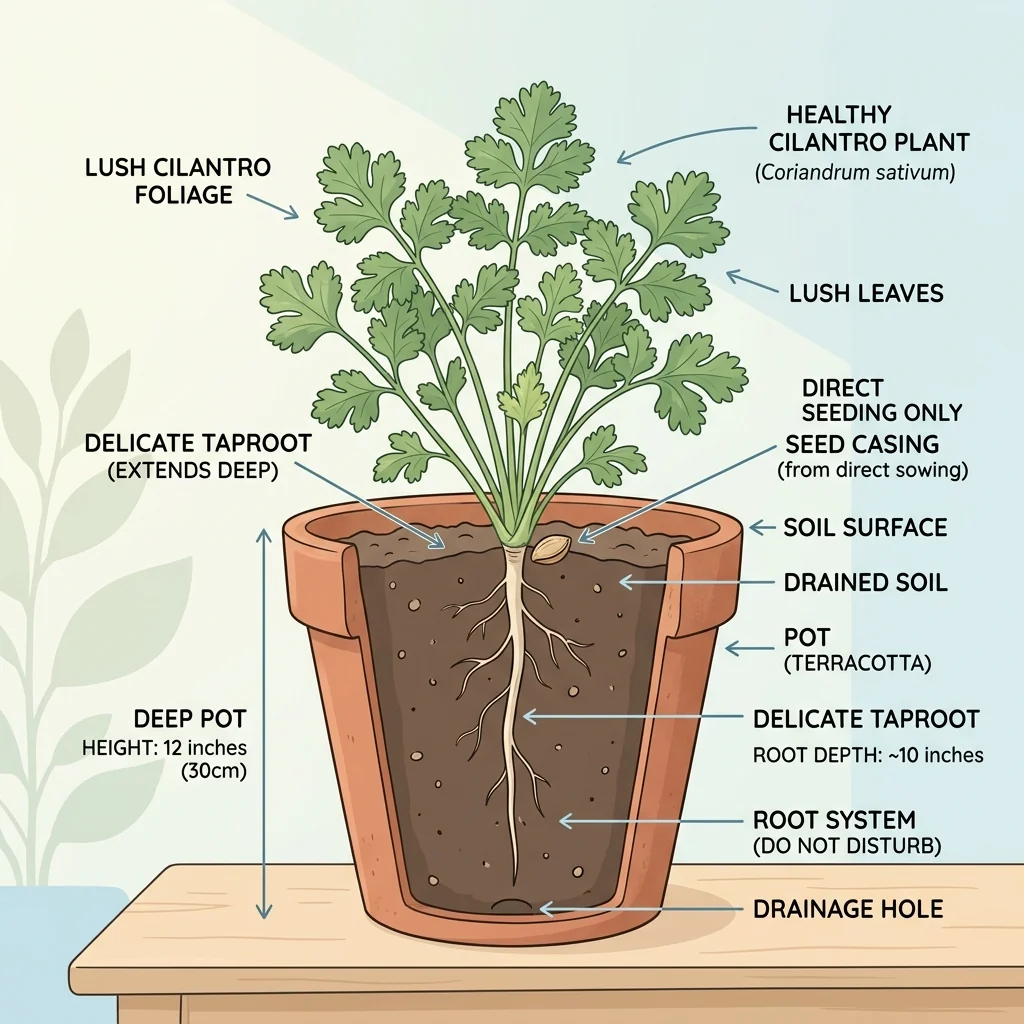
Cilantro grows a taproot and resents being moved, so depth and direct sowing matter more than width. Get the pot right and you can succession-sow for steady leaves.
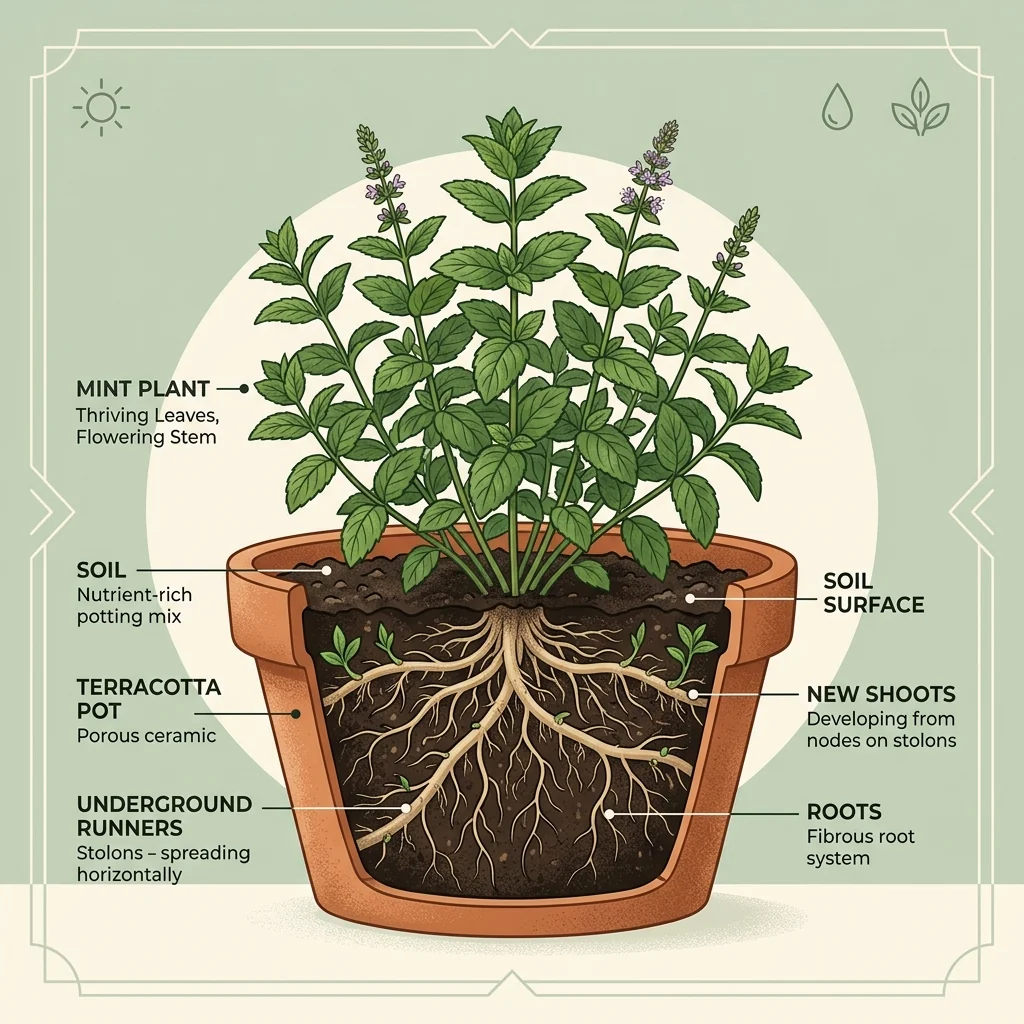
Mint is a vigorous spreader that will crowd out anything it shares a pot with. Give it a roomy container of its own, 8 to 12 inches wide, and you will get years of growth.
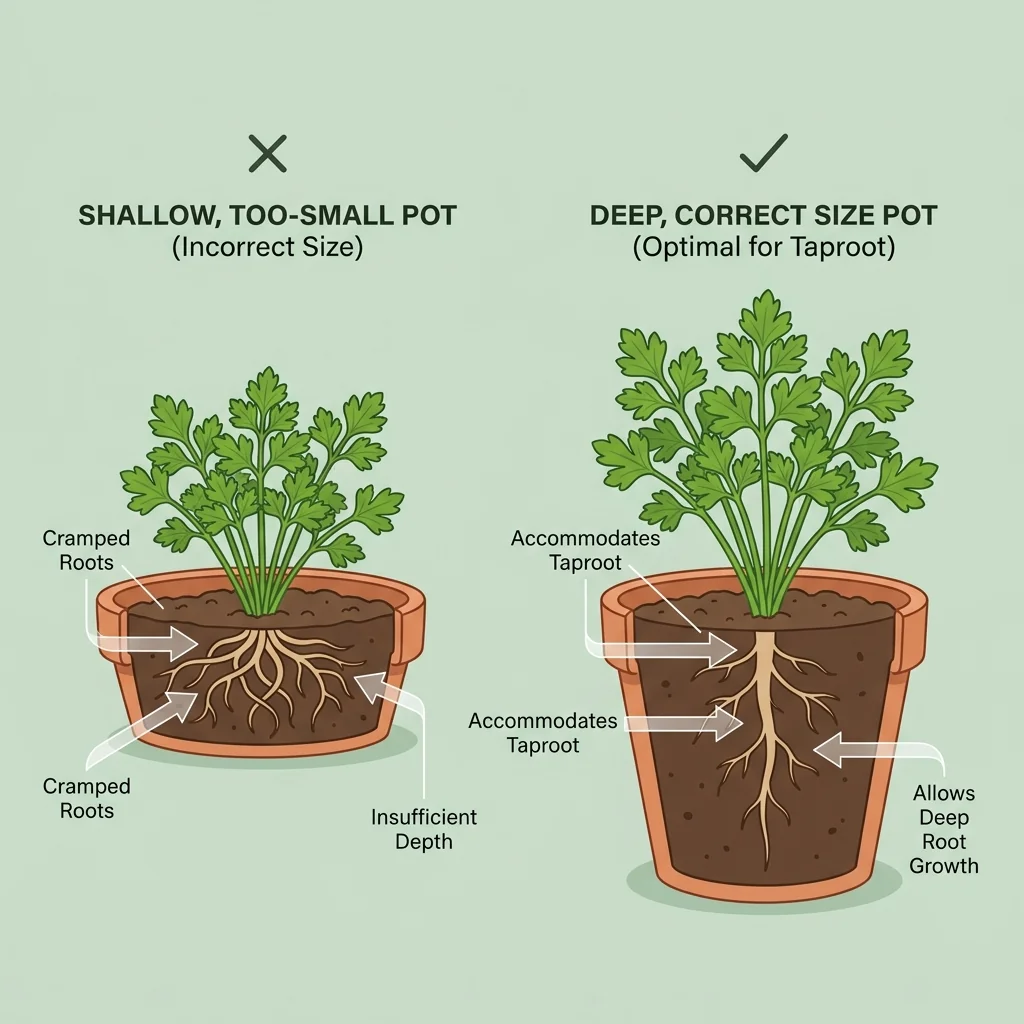
Parsley has a deeper taproot than most kitchen herbs, so pot depth matters more than width. This guide gives the exact size range, spacing, and drainage to get it right.
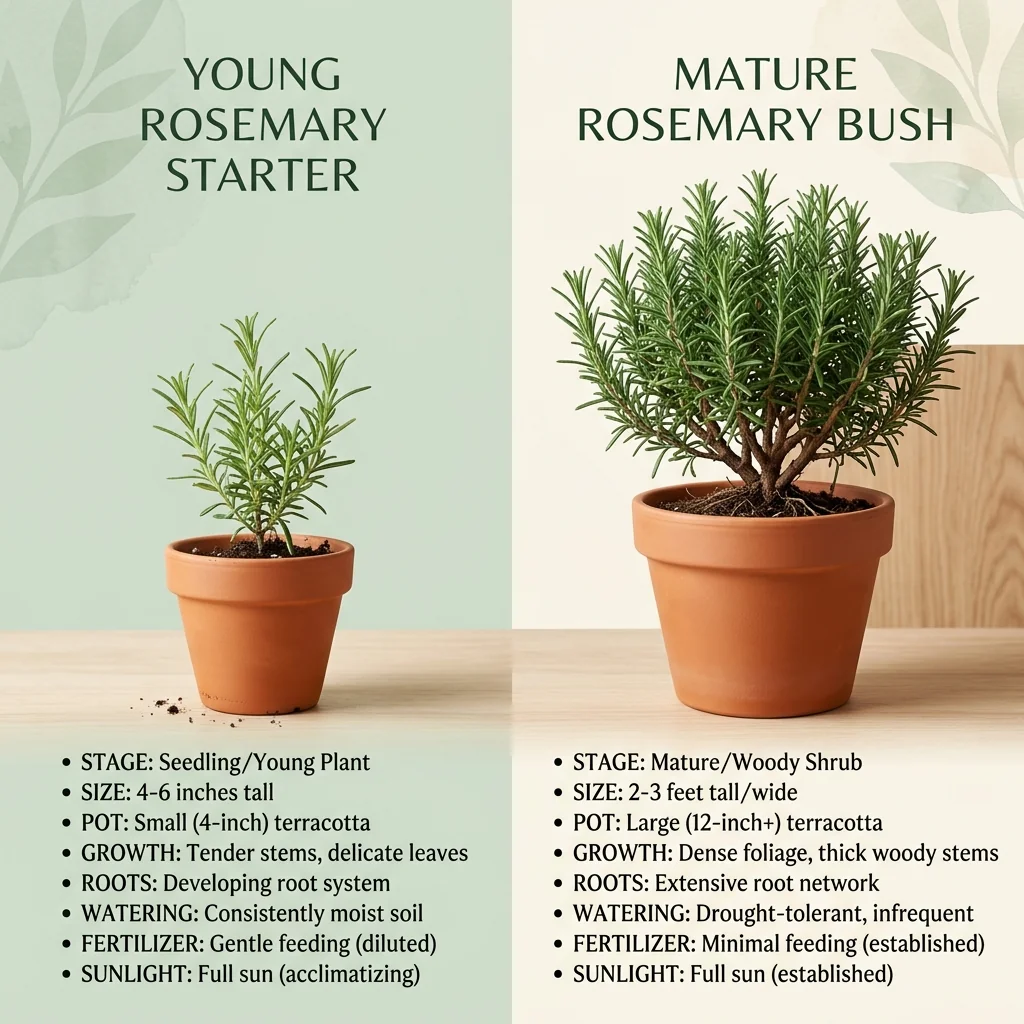
Rosemary is a small shrub in disguise. It starts in a modest pot but needs upsizing as it grows woody, plus the sharp drainage every Mediterranean herb demands.
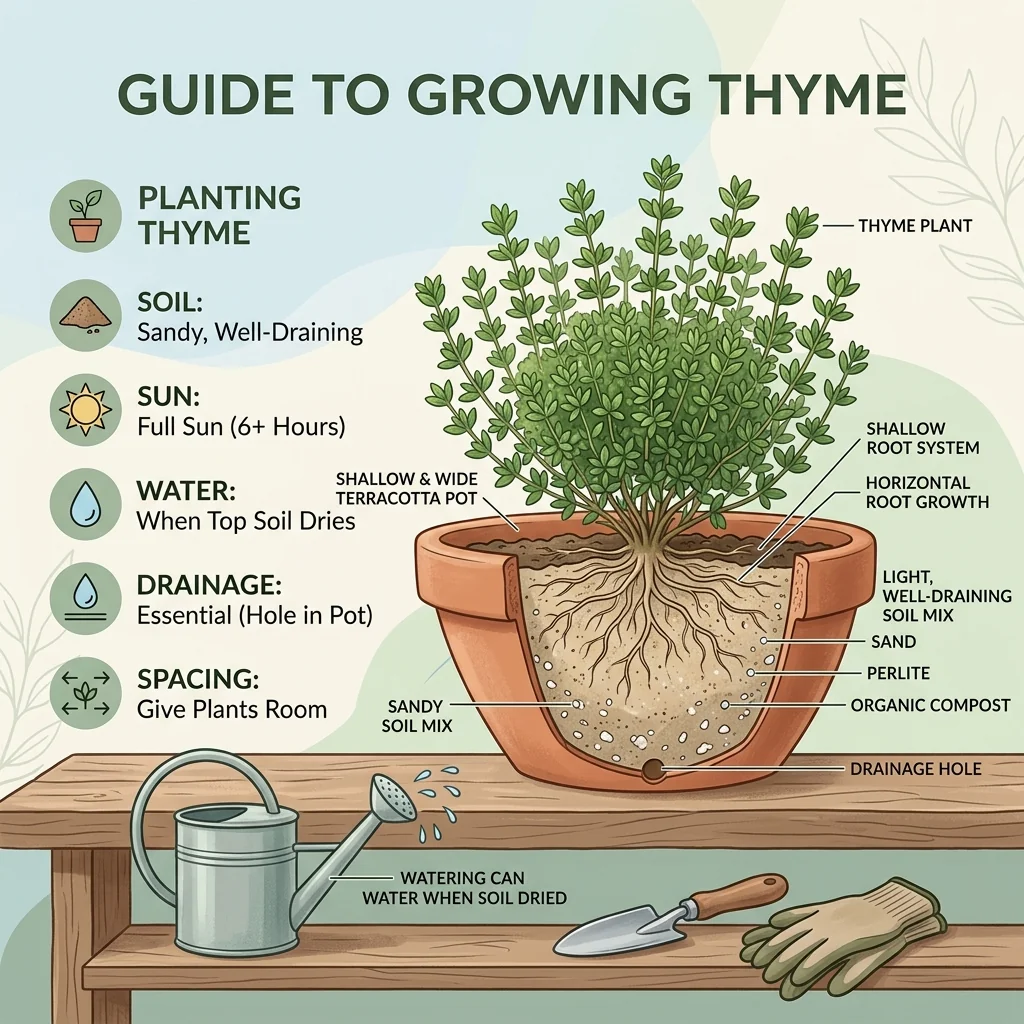
Thyme is the opposite of parsley: its roots spread sideways rather than down, so width and drainage matter more than depth. Here is the right container size.
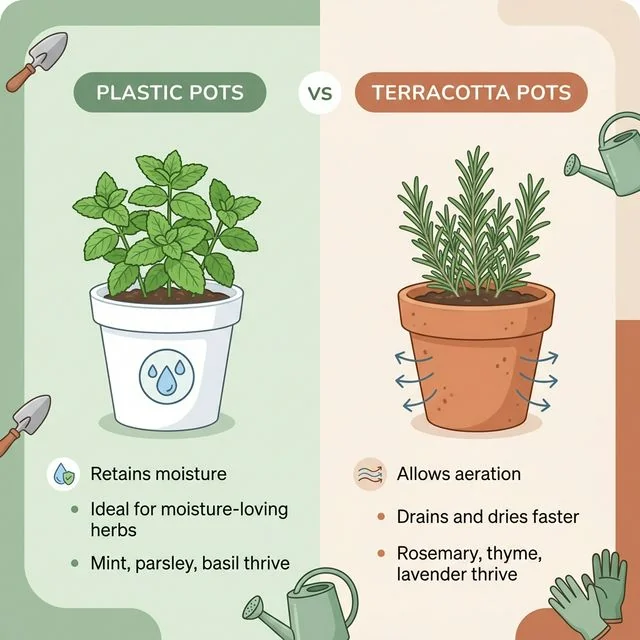
The material of your pot dictates how fast your soil dries out. If you put a thirsty mint plant in unglazed terracotta, you will be watering every single day. If you put rot-prone rosemary in a plastic pot, you must be extremely careful.
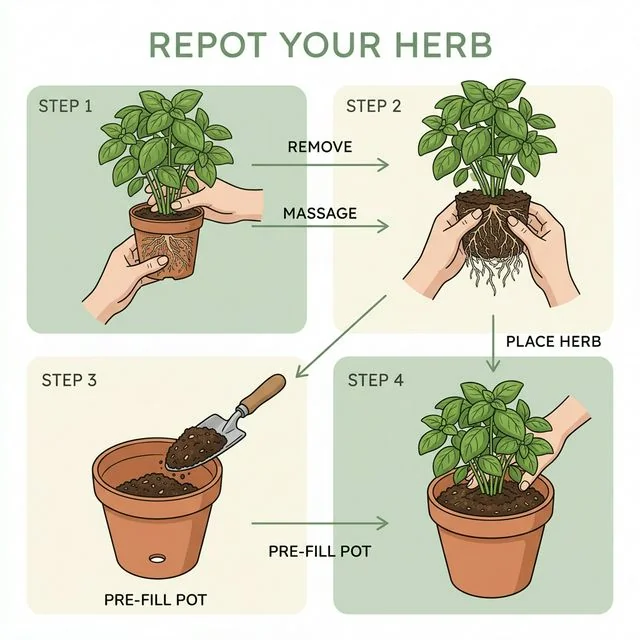
Moving an herb to a bigger pot should trigger a massive growth spurt. If your plants wilt and drop leaves after repotting, you are suffering from transplant shock. Here is how to upgrade your container without stressing the roots.
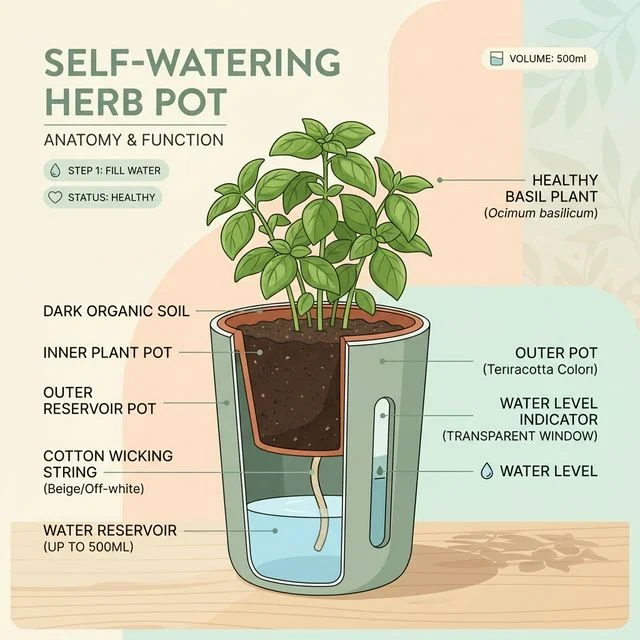
Self-watering pots sound like the holy grail for busy gardeners. While they are fantastic for moisture-loving herbs like mint, they can quickly turn into a swamp of rotting roots for drought-tolerant plants like rosemary.
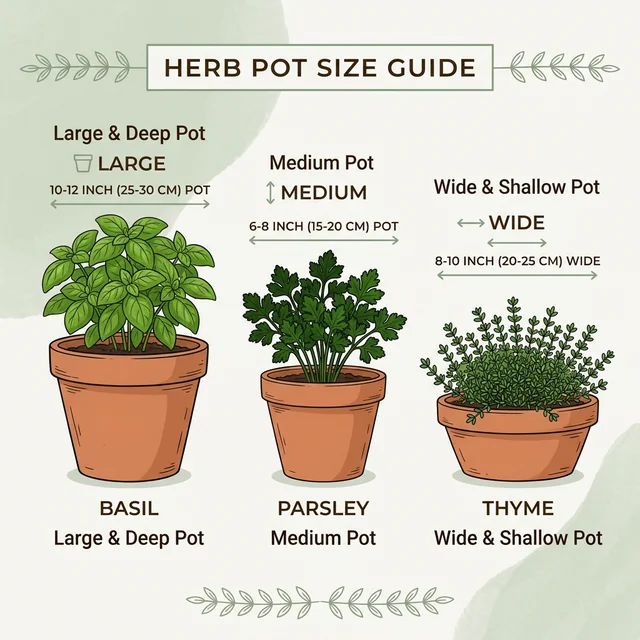
A practical herb pot size guide for the most common kitchen herbs, with simple size ranges that make container growing easier to read and maintain.
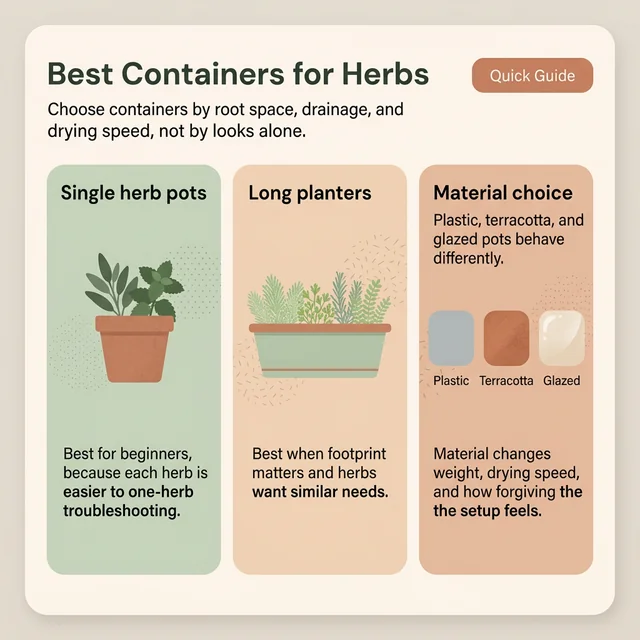
A practical guide to herb containers that explains which pots work best, why drainage matters, and how material changes the way containers dry.

Container size is one of the highest-leverage decisions in small-space gardening. When root volume is too small, every other care task becomes harder.